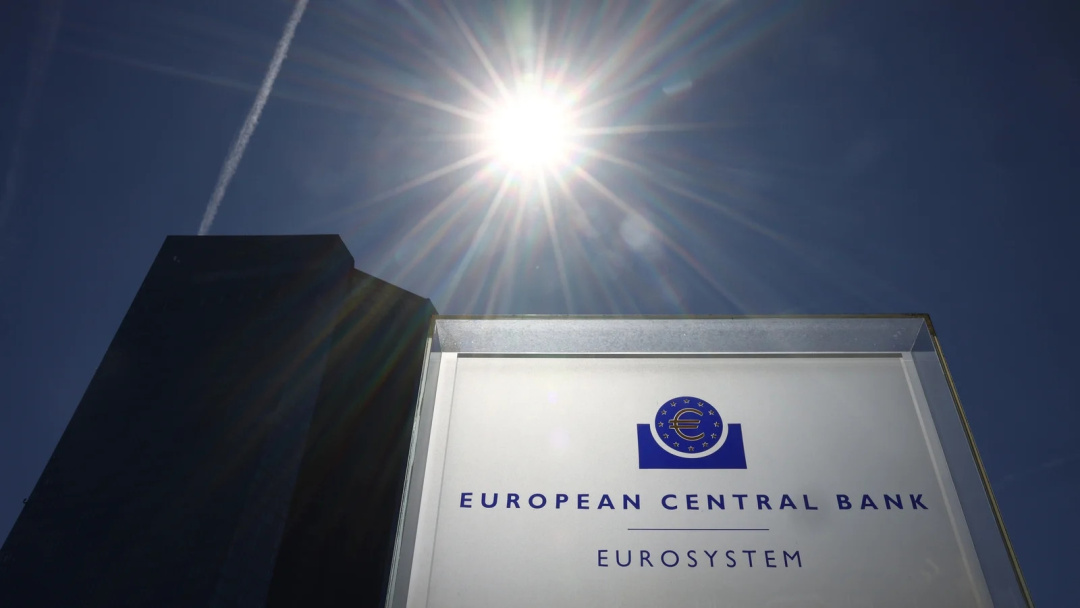
European Central Bank to Raise Deposit Rate to 2.50% Amid Persistent Inflation
The European Central Bank (ECB) is set to raise its deposit facility rate to 2.50% in September, marking the second interest rate increase of 2026. This anticipated hike, expected around September 10, comes as inflation in the eurozone continues to exceed the ECB's target of 2%, largely due to persistent energy costs. Markets are currently pricing in a 100% probability of a 25 basis point increase.
ECB President Christine Lagarde has indicated that these rate increases are necessary responses to ongoing price pressures, although analysts have referred to them as "insurance hikes." As of August 2026, euro-area inflation stands at 3.0%, which is a full percentage point above the ECB's target. The ECB's projections suggest that headline inflation will average 3.0% for the entirety of 2026.
Market Reading & Resources
Sponsor funding complete. Trade on.
A significant factor contributing to this inflation is the rising cost of energy. Brent crude oil prices have surged to nearly $100 per barrel, influenced by geopolitical tensions related to the US-Israeli conflict involving Iran.
The ECB's first rate hike of this cycle occurred on June 11, 2026, when rates were increased by 25 basis points, raising the deposit facility rate to 2.25%. This adjustment reversed some of the easing measures that had been in place, during which the deposit rate was reduced to 2.00% by mid-2025.
In the previous hiking cycle from 2022 to 2023, the ECB raised rates ten consecutive times, increasing the deposit rate from negative territory to 4.0% within approximately 14 months. In contrast, the current cycle has seen only two 25-basis-point increases over a few months.
The ECB has adopted a data-dependent approach to its monetary policy, refraining from providing forward guidance or commitments regarding future meetings. Market expectations suggest that the September hike may be the last increase for the year, after which the ECB is likely to pause and evaluate economic conditions.
Higher interest rates in the eurozone typically strengthen the euro against other currencies, as they attract capital flows from investors seeking better returns on euro-denominated assets. Additionally, increased policy rates lead to higher yields on eurozone government debt, which can negatively impact the value of existing bonds. Investors holding long-duration European fixed income have already experienced the effects of the June hike, and the upcoming September increase will likely add further pressure.
Even if the September hike is the last for the year, the ECB is expected to maintain its rates until inflation shows a convincing downward trend toward the 2% target. With Brent crude prices hovering near $100 per barrel, any escalation in geopolitical tensions could further drive prices up, potentially prompting the ECB to consider additional rate hikes.