European Central Bank Expected to Raise Interest Rates Amid Inflation Concerns
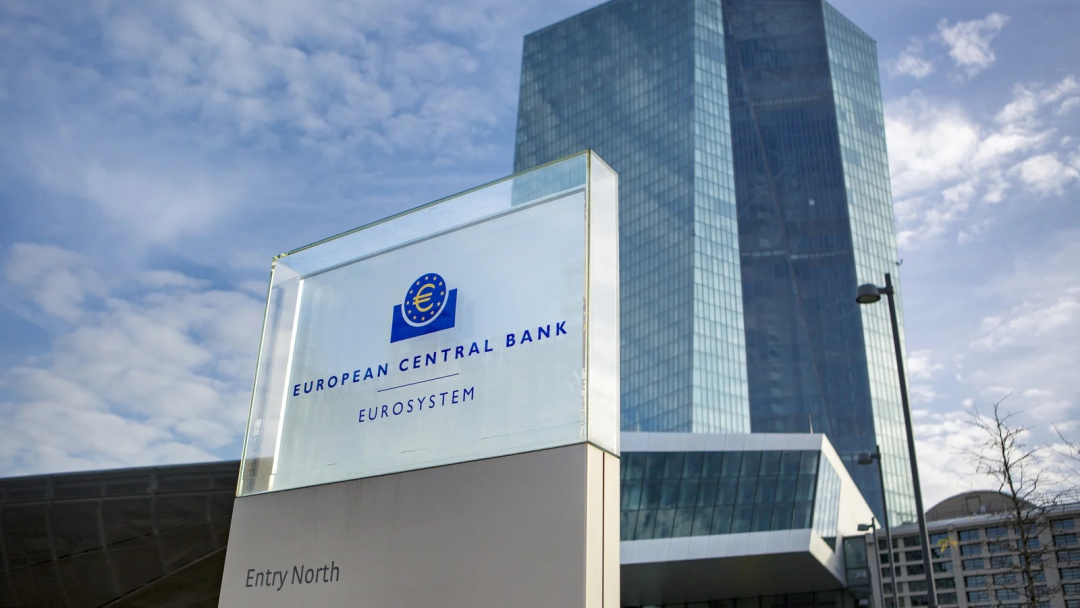
The European Central Bank (ECB) is anticipated to raise interest rates on Thursday, taking a cautious approach as geopolitical tensions, particularly the ongoing US-Iran situation, continue to elevate oil prices and inflation. Brent crude prices have seen an increase over the past month, while European gas prices have reached their highest levels since early 2023.
Market sources indicate that the ECB is prepared to implement a quarter-point increase, bringing rates to 2.5%, following data that shows euro zone inflation rose above 3% in August, largely due to higher energy costs. ING's global head of macro, Carsten Brzeski, referred to this potential increase as an "insurance rate hike," or a "dovish rate hike" for those who prefer a different term.
Market Reading & Resources
Sponsor funding complete. Trade on.
Despite the expected hike, policymakers appear reluctant to signal further increases. However, traders are predicting a significant chance of another rate hike by December and possibly one more in the following year, again influenced by energy costs.
Economists generally believe that the scope for additional rate increases is limited, as such moves could negatively impact economic growth. A Reuters poll suggests that many economists think the ECB will conclude its rate hikes after September. Currently, there are no indications that inflation driven by energy prices is spreading into other sectors, with services inflation reportedly declining despite the overall rise in prices in August.
The labor market remains soft, and wage growth is slowing, adding to the uncertainty surrounding inflation. Investors are particularly focused on comments regarding indirect inflation effects and how energy prices might translate into core inflation over time.
While high gas and oil prices exert upward pressure on inflation, recent data indicates that the economy has performed better than expected. Euro zone business activity has shown solid growth, with S&P Global data for August reflecting a pace that matches July's, which was the fastest this year.
Economists expect the ECB to slightly revise its growth forecast for 2026 upwards, although the impact of rising global borrowing costs, driven by increasing energy prices and high government debt concerns, has tightened financial conditions, effectively doing some of the ECB's work for it.
Ten-year borrowing costs in France and Italy have risen significantly this year, and Germany has also experienced an increase. All major central banks are likely to face scrutiny regarding the implications of rising global bond yields. The ECB is expected to carefully address long-dated bonds, emphasizing that they will only act if movements deviate significantly from fundamental values, which currently does not appear to be the case.