Options Traders Bet on Fed Misjudging Interest Rate Hikes
After the Federal Reserve's recent meeting, where it held interest rates steady at 3.5-3.75% and slightly raised its year-end projection to 3.8%, markets reacted with panic. Bitcoin fell to the $63,000-$64,000 range, and the S&P 500 showed signs of instability. However, a growing group of options traders views this market reaction as an overreaction, positioning themselves for potential rebounds in both traditional equities and cryptocurrencies.
The core belief among these traders is that the market is pricing in more tightening than the Fed is likely to implement. Notably, during the June 17-18 Federal Open Market Committee (FOMC) meeting, no actual changes were made to the rates or any surprise announcements regarding quantitative tightening. While nine out of eighteen committee members projected at least one rate hike by the end of the year, this suggests that half of the committee does not anticipate immediate action.
Market Reading & Resources
Sponsor funding complete. Trade on.
Tom Lee from Fundstrat described the meeting as "quite dovish," arguing that the market misinterpreted the Fed's shift towards a more data-dependent approach. This interpretation has encouraged contrarian bets, with traders viewing the post-meeting selloff as a buying opportunity rather than a signal to exit.
The logic behind this strategy is straightforward: a median year-end projection of 3.8% implies only a modest hike from the current rate range. However, not all traders are optimistic. Some bearish options positions have emerged, targeting Bitcoin at $52,000 by the end of July, which would represent a significant decline from current levels.
This divergence in sentiment within the options market indicates a potential for increased volatility. Market makers, who sell large options positions, often need to hedge their exposure by trading the underlying assets. This hedging can amplify price movements, particularly in Bitcoin, which has lower liquidity compared to major equity indices. The recent 2.8-3% drop following the Fed's unchanged rate decision exemplifies this dynamic.
Digital assets have become increasingly sensitive to signals from the Federal Reserve, with even minor changes in projections leading to substantial market movements. The contrarian argument for a rebound hinges on the observation that the Fed's actual policy has not tightened; rates remain unchanged, with only a slight upward revision in projections.
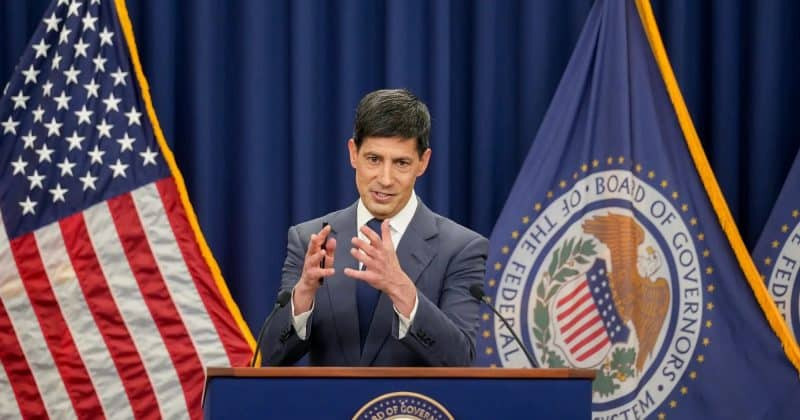
Chair Warsh's focus on data dependency means that upcoming inflation reports, employment figures, and GDP readings will be crucial in determining whether the hawkish projections translate into real policy changes or fade into irrelevance. As traders navigate this uncertain landscape, the implications of the Fed's decisions will continue to resonate across financial markets.