Samsung's Record Profit Fails to Satisfy Investors, Impacting Tech Stocks
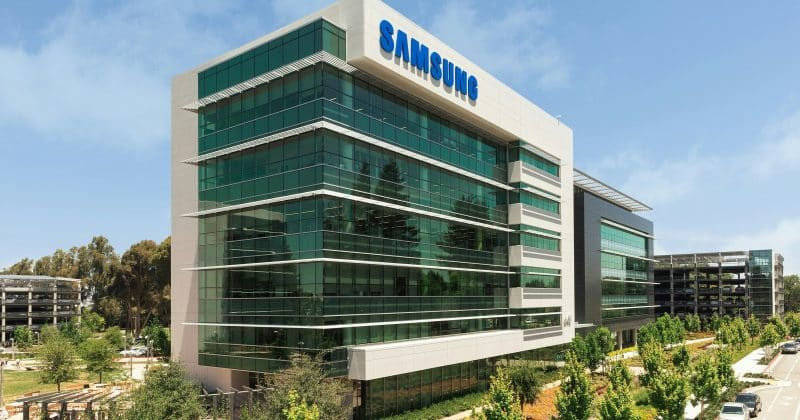
Samsung Electronics has reported an impressive Q2 2026 operating profit of about 89.4 trillion Korean won (approximately $58.4 billion), marking a nearly 19-fold increase from the 4.7 trillion won reported in Q2 2025. However, this record performance did not meet investor expectations, leading to a 6.9% drop in the company's stock on July 7, which resulted in a loss of more than $80 billion in market value.
The preliminary guidance indicated estimated sales of around 171 trillion won for the quarter, largely driven by the demand for memory chips utilized in AI applications. This achievement represents the third consecutive quarter of record profits for Samsung. Despite the strong earnings, the stock experienced a significant intraday decline of up to 10.1% before closing down 6.9%. The broader Kospi index also fell nearly 5% on the same day, with Micron shares dropping about 5% in pre-market US trading, alongside declines for Nvidia and AMD.
Market Reading & Resources
Sponsor funding complete. Trade on.
Analysts have pointed out that investor expectations had become overly optimistic, with memory-chip stocks rallying in anticipation of a blockbuster quarter. The actual results, while impressive, did not meet the heightened expectations, prompting a sell-off.
The AI infrastructure expansion that has bolstered Samsung's memory chip profits is also influencing the crypto markets, which have seen growth over the past 18 months. If investors begin to question the sustainability of AI capital expenditures, this skepticism could extend beyond semiconductor stocks, affecting various asset classes linked to the AI narrative, including a significant portion of the crypto market.
For participants in the crypto market, tokens associated with AI are particularly susceptible to shifts in sentiment within traditional tech. Should the market conclude that AI capital expenditures have peaked or are slowing, projects reliant on continuous AI infrastructure investment may encounter challenges, regardless of their on-chain performance metrics.
Micron's pre-market decline suggests that American investors are beginning to recognize similar growth ceiling concerns that impacted Samsung's stock. If Nvidia and AMD continue to experience losses throughout the trading session, the repercussions are likely to extend to the crypto market, especially for tokens with AI connections.
Samsung's memory chip division is currently benefiting from one of the most robust demand cycles in semiconductor history, as AI workloads necessitate significantly more memory than traditional computing tasks. However, the market is now compelling investors to differentiate between long-term demand trends and short-term price movements, a distinction that holds equal importance in both the semiconductor and crypto sectors.