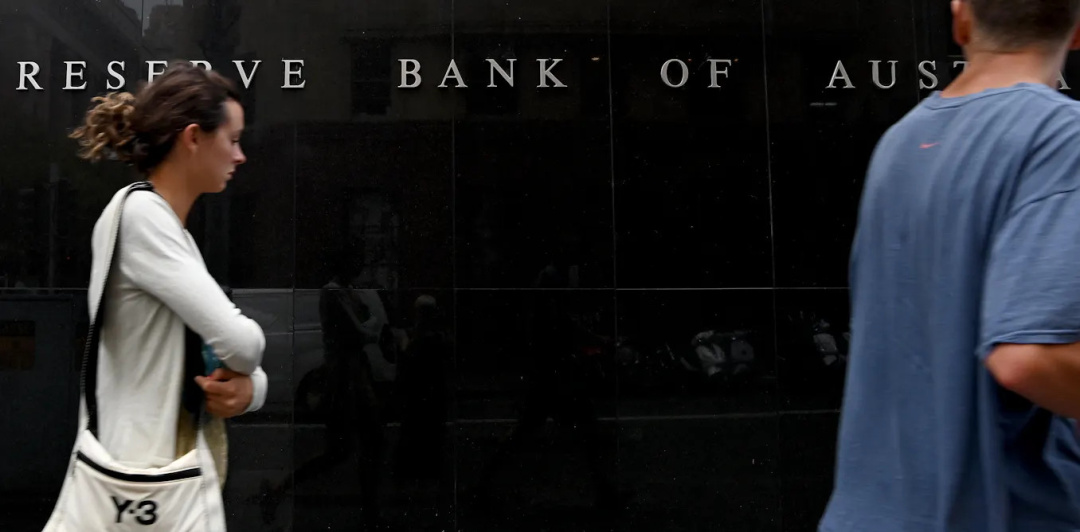
Data Center Investment in Australia Poses Inflation Risks for Reserve Bank
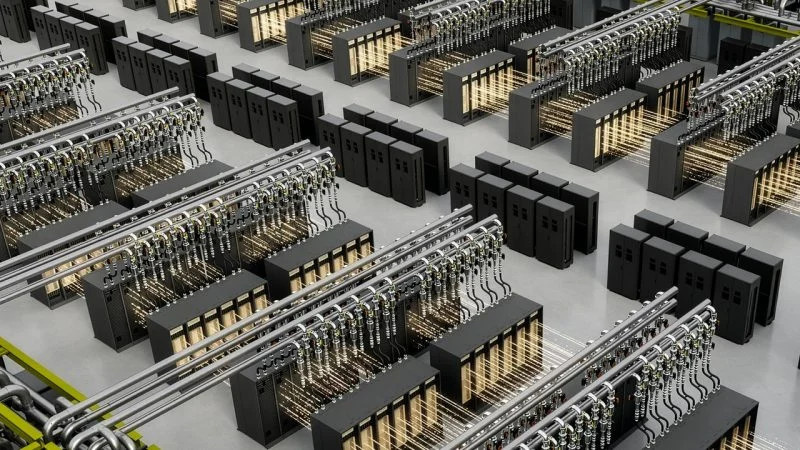
Bloomberg Economics has raised concerns that the rapid expansion of AI-driven data centers in Australia could lead to sustained high interest rates as various sectors feel the impact of this growth. The investment in data facilities is expected to surpass 2% of Australia's GDP in the fiscal year 2026-2027, creating a significant strain on construction capacity, skilled labor availability, and energy demand.
The Reserve Bank of Australia (RBA) is now faced with a unique challenge, grappling with inflation not caused by consumer spending or commodity price shocks, but rather by the infrastructure demands associated with artificial intelligence. The projected investment in data centers over the next decade ranges from A$111 billion to A$155 billion, primarily concentrated in New South Wales and Victoria. The RBA's August 2026 Statement on Monetary Policy highlighted a year-on-year growth of 10.4% in business investment through the March quarter of 2026, with data center spending identified as a key driver.
Market Reading & Resources
Sponsor funding complete. Trade on.
James McIntyre from Bloomberg Economics has warned that such concentrated capital deployment could overwhelm the economy's supply-side capacity. Australia was already experiencing a housing supply crisis prior to the influx of data center projects, and now these two sectors are competing for the same limited construction resources. RBA chief economist Sarah Hunter has noted the increasing pressure on the labor market due to this surge in demand.
Currently, the RBA's cash rate stands at 4.35%, and officials have indicated that this rate may need to remain elevated longer than anticipated due to the inflationary pressures stemming from the data center construction boom. The Australian Energy Market Operator has projected that electricity demand from data centers could triple by 2030, which, without significant investment in renewable energy, could lead to a 26% increase in electricity prices for consumers.
McIntyre's analysis suggests that the trajectory of the cash rate will likely remain higher for an extended period than traditional economic models predict, as these models do not fully account for the supply-side shock caused by the rapid development of a new category of industrial infrastructure. The RBA's August statement acknowledged both the potential benefits of data center investment and the associated risks related to domestic market capacity and reliance on imported equipment.