Nigeria's Economic Recovery Under Tinubu's Reforms, Says Tope Fasua
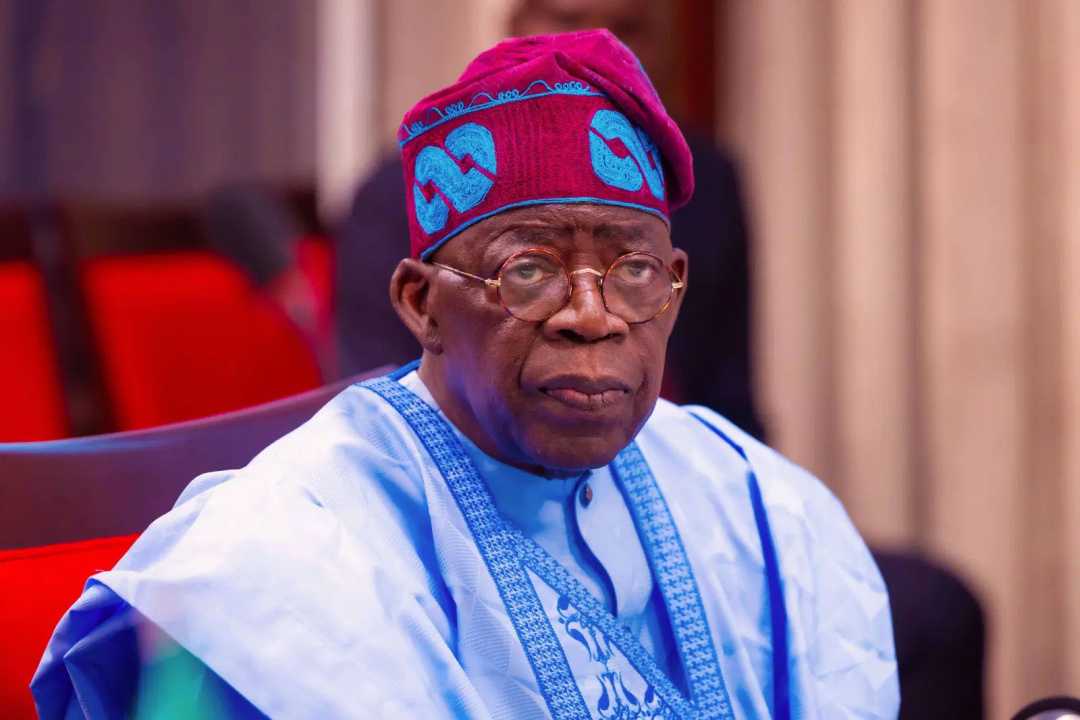
Tope Fasua, the Special Adviser to President Bola Tinubu on Economic Matters, has indicated that Nigeria is beginning to recover from the economic shocks that followed the administration's reforms. In a recent interview with Arise News, Fasua noted that the removal of the petrol subsidy and the unification of the foreign exchange market led to significant economic disruptions, particularly in late 2023 and throughout 2024. He stated, "The worst we got was late 2023, the shock, immediate shock, after-effect of those reforms in 2023. And of course, 2024 was a tough year. 2025 was the year that inflation started to reduce, not only because it was rebased, but because prices started to fall." Recent economic indicators suggest that the economy is now on a path to recovery from the initial impacts of these reforms. Fasua pointed to Nigeria's 4.43 percent gross domestic product growth recorded in the second quarter of 2026 as evidence of improving economic activity, marking the highest growth rate in 11 years. He explained, "The 4.43 percent growth you’re seeing is the highest in 11 years, since 2015 first quarter. In fact, if you like, since 2014 fourth quarter. That is the highest growth rate." Addressing concerns regarding the manufacturing sector's declining share of GDP, Fasua attributed this trend to the rapid growth of the services sector rather than a significant decline in manufacturing activity. He explained that the manufacturing sector has consistently contributed between 7 to 9 percent to the economy, and the recent decline to 7.7 percent is primarily due to the expansion of the services sector. Fasua also highlighted other positive indicators, such as bank recapitalization, growth in the stock market, and increased investment in the insurance sector, which point to improving economic conditions. He emphasized that the government's focus should now shift from managing the immediate shocks of the reforms to enhancing productivity and adding value to Nigeria's resources. Fasua urged the administration to continue with its current policy direction rather than reversing the reforms already implemented. When asked about the government's economic direction ahead of the 2027 elections, he affirmed that the administration would maintain its reform agenda, stating, "Certainly to stay the course, really." While acknowledging that the initial adjustments had been challenging, he argued that the economy is now entering a phase where the benefits of the reforms could become more apparent.
Market Reading & Resources
Sponsor funding complete. Trade on.