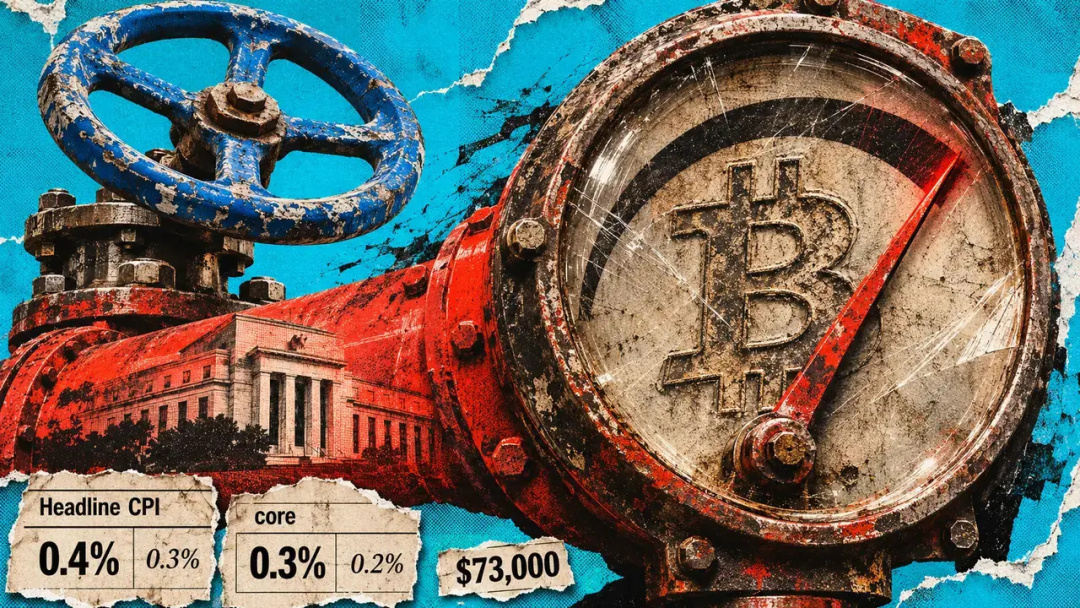
US Job Growth in August Fuels Speculation of Federal Reserve Rate Hike
In August, the US economy added 162,000 jobs, nearly tripling the expectations of economists who had predicted an increase of 55,000 to 65,000 positions. This significant job growth has raised the probability of a Federal Reserve rate hike at the upcoming September meeting to approximately 60%. The Bureau of Labor Statistics released this report on September 4, which also included upward revisions of 55,000 jobs for previous months. The unemployment rate held steady at 4.1%, and labor-force participation increased to 61.6%.
The leisure and hospitality sector led job creation, adding 62,000 positions, with food services and drinking establishments contributing 59,000 jobs. Local government education added 42,000 roles, while healthcare, construction, and manufacturing also reported positive gains.
Market Reading & Resources
Sponsor funding complete. Trade on.
The market's response to this data was immediate, with Treasury yields rising and the US dollar strengthening. Analysts are closely watching the upcoming Consumer Price Index release, which will play a significant role in the Federal Reserve's decision-making process.
Annual wage growth was reported at 3.1%, the slowest since the pandemic began. This strong hiring, combined with contained wage pressures, suggests that the economy can accommodate more workers without triggering a wage-price spiral. However, it is important to note that a significant portion of the job growth occurred in lower-wage sectors.
The bond market reacted swiftly to the news, with higher Treasury yields leading to lower bond prices. The two-year Treasury yield, which is sensitive to near-term rate expectations, reflected this shift in sentiment. Financial stocks typically benefit from a higher interest rate environment, as wider spreads can enhance bank profitability, while utilities and real estate may face challenges as yields rise.
If the upcoming CPI report indicates persistent inflationary pressures, the combination of a robust labor market and stubborn inflation could leave the Federal Reserve with little choice but to raise rates. Conversely, if inflation shows signs of progress toward the 2% target, the committee may decide to hold off on any rate changes.