U.S. Economy Adds 162,000 Jobs in August, Surpassing Expectations
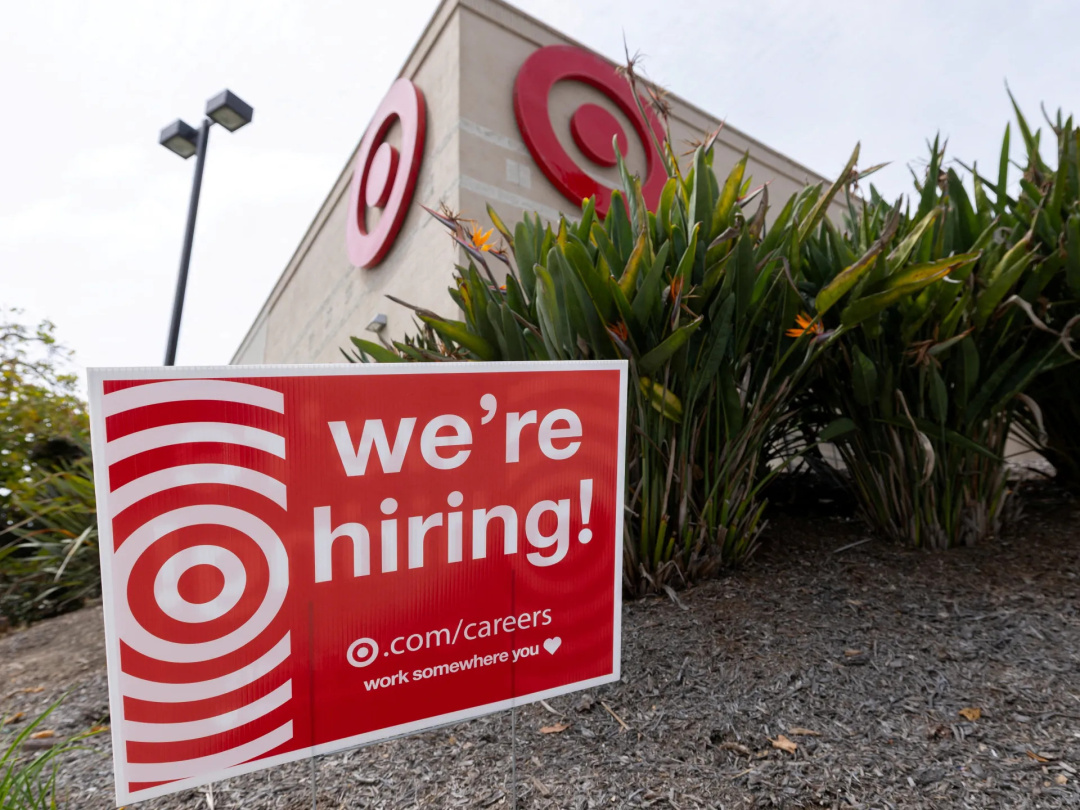
The U.S. economy experienced a notable increase in employment, adding 162,000 jobs in August, according to the latest report from the U.S. Department of Labor’s Bureau of Labor Statistics. This figure surpassed the expectations of economists, who had predicted an increase of only 56,000 jobs. The unemployment rate held steady during this period.
A significant portion of the job growth was attributed to local government education, particularly as schools prepared for the 2026–27 academic year. This sector alone accounted for nearly 42,000 of the new jobs, reflecting the seasonal hiring patterns typical for educational institutions. Additionally, the food services sector saw a robust increase, adding 59,000 jobs compared to the previous month.
Market Reading & Resources
Sponsor funding complete. Trade on.
Other sectors also contributed to the job growth, with construction adding 22,000 jobs and healthcare seeing an increase of 12,000 jobs. However, the information sector faced challenges, losing 23,000 jobs due to layoffs at companies such as Scripps TV and Zillow. The financial activities sector also reported a decline, with a loss of 12,000 jobs.
In contrast to the Labor Department's report, the ADP national employment report indicated a much lower job addition of only 38,000 jobs in the private sector. This discrepancy highlights the varying methodologies used to assess employment trends.
The Labor Department's Job Openings and Labor Turnover Survey (JOLTS) indicated that job openings remained relatively unchanged at 7.3 million in July, up slightly from 7.2 million in June. Meanwhile, total separations decreased from 5.3 million to 5.1 million during the same period.
These employment figures come ahead of a crucial Federal Reserve meeting, where policymakers will deliberate on interest rates. Following the job report, there is a 60 percent likelihood of a 25 basis point rate increase, reflecting a shift from 49 percent just a day earlier.
In response to the positive job report, U.S. President Donald Trump urged for interest rate cuts, asserting that the U.S. economy is stronger than it was previously. He also threatened to impose trade restrictions on countries with which the U.S. has a trade deficit if the Federal Reserve does not act accordingly.
Despite the positive job growth, U.S. stock markets showed a downward trend, with the Nasdaq, Dow Jones Industrial Average, and S&P 500 all experiencing declines. In a related economic context, Canada reported a loss of 41,700 jobs, maintaining an unemployment rate of 6.4 percent amid ongoing trade tensions with the U.S. Analysts predict that Canada may continue to struggle with job creation due to various economic pressures, including tariffs and geopolitical uncertainties.