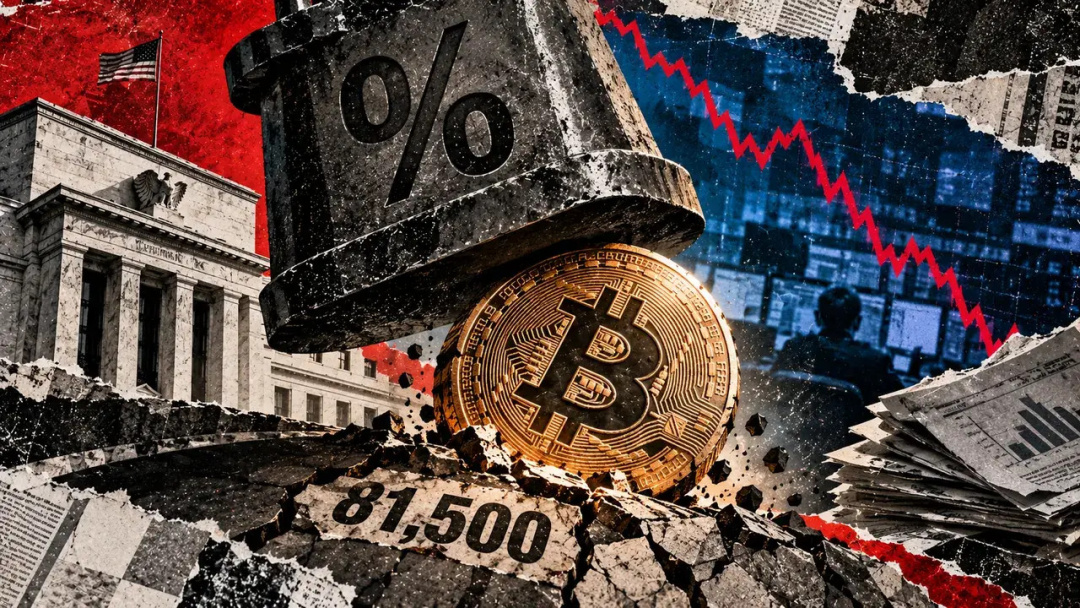
Trump Critiques Federal Reserve, Warns of Wall Street Risks
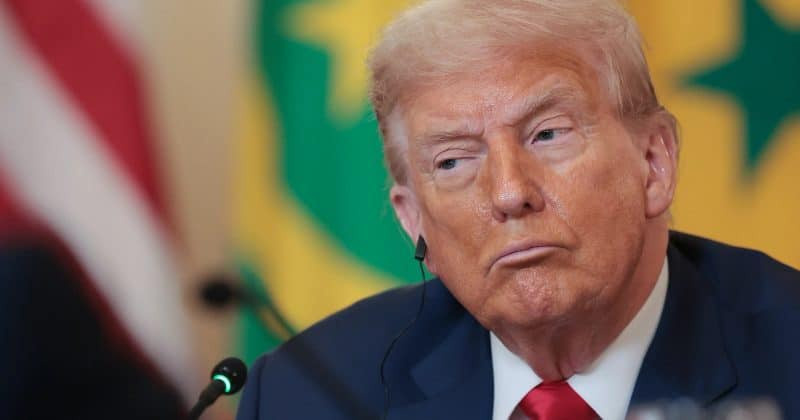
Donald Trump has escalated his criticism of the Federal Reserve, asserting that the central bank's hesitance to implement aggressive interest rate cuts poses a threat to Wall Street's stability. Throughout his second term, Trump has pressured the Fed to lower rates to stimulate economic growth, but the central bank has been cautious, balancing inflation management with employment support.
This friction has tangible consequences. In April 2025, heightened tensions between Trump and the Fed resulted in a dramatic drop of approximately 970 points in the Dow Jones Industrial Average in a single day, illustrating the market's sensitivity to these developments.
Market Reading & Resources
Sponsor funding complete. Trade on.
Following Jerome Powell's term as Fed Chair, which ended in May 2026, Trump swiftly appointed Kevin Warsh, a former Fed governor with Wall Street ties, as his successor. Warsh was perceived as more amenable to the administration's preference for lower rates. However, Powell remained on the Board of Governors, and in June 2026, he cautioned against the politicization of the central bank, warning that it could erode public trust in the institution.
During periods when Powell resisted political pressure from Trump, Bitcoin's price experienced brief increases of 1-2%, highlighting the cryptocurrency's sensitivity to Fed dynamics. In May 2026, Trump ordered a review of the access that crypto and fintech firms have to Federal Reserve payment services, a significant policy move that could potentially open banking infrastructure to digital asset companies that have historically faced barriers.
Expectations around interest rates significantly influence risk appetite across various asset classes. If markets begin to anticipate rate cuts driven by political influence rather than economic indicators, the initial response may be positive for risk assets, including cryptocurrencies. However, the potential for inflation, dollar instability, and damage to institutional credibility introduces complexities that are challenging to predict. The review of crypto firms' access to Fed payment services adds another layer of uncertainty, with a favorable outcome potentially unlocking substantial institutional capital flows into the digital asset sector.