Trump Threatens Federal Reserve: Cut Rates or Face Trade Consequences
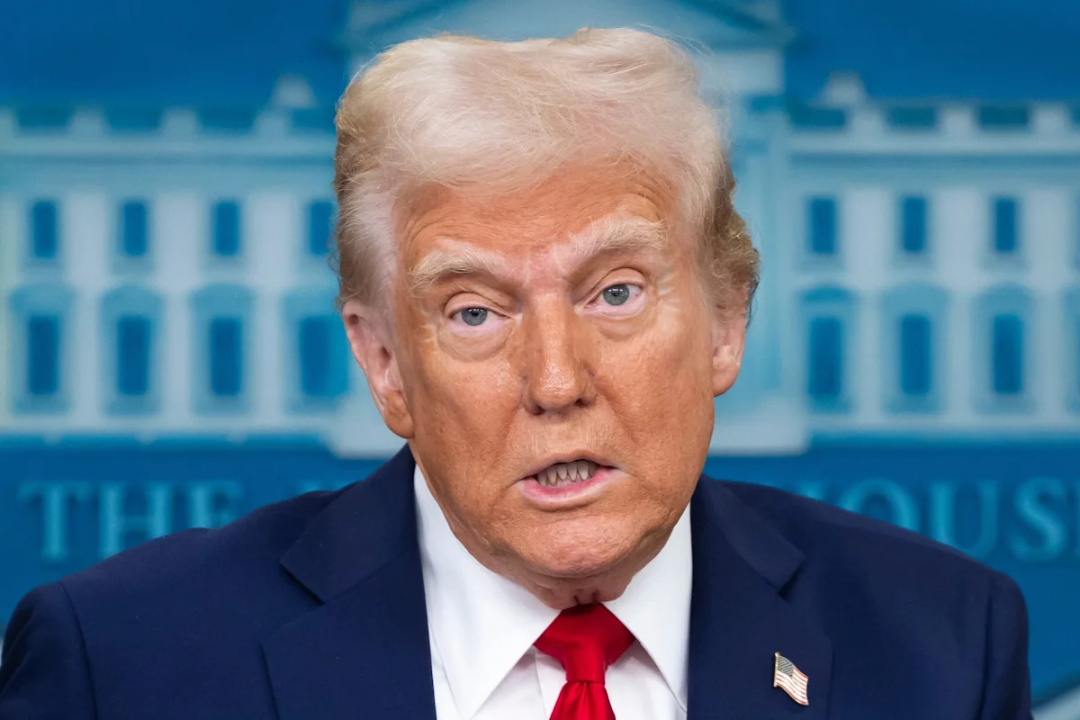
President Donald Trump has publicly demanded that the Federal Reserve cut interest rates, threatening to halt trade with countries where the United States runs a goods deficit if his request is not met. This ultimatum was issued in a post on Truth Social, where Trump cited a recent Supreme Court ruling that he claims supports his authority to impose such trade restrictions. He stated, "LOWER THE RATE OR I’LL STOP TRADING WITH COUNTRIES WITH WHICH WE HAVE A DEFICIT," and referred to the ruling as a validation of his position.
The context for Trump's demand comes after the release of the August jobs report, which exceeded expectations with the economy adding 162,000 jobs. The unemployment rate stood at 4.1%, but wage growth has not kept pace with inflation, raising concerns among analysts. In his post, Trump emphasized that a strong country requires lower interest rates, urging the Fed to act in a patriotic manner.
Market Reading & Resources
Sponsor funding complete. Trade on.
Market reactions to the jobs report were mixed. While the strong job numbers typically suggest a robust economy, they also led to an increase in Treasury yields, with the 10-year benchmark closing at 4.79%. The dollar strengthened, and the stock market saw declines, indicating that traders interpreted the report as reducing the likelihood of immediate rate cuts.
Trump's comments also reflect his ongoing tension with the Federal Reserve, particularly with its chair, Kevin Warsh, whom he appointed. Warsh had recently indicated that the Fed might need to consider rate increases if inflation remains above target levels. This contradicts Trump's push for cuts, creating a complex dynamic as the Fed navigates economic indicators and market expectations.
Moreover, Trump's interpretation of the Supreme Court ruling has been criticized. The Court determined that the president does not have the authority to impose tariffs, a power reserved for Congress, which complicates Trump's claims about his trade authority. Economists have pointed out that cutting off trade could have adverse effects on American consumers, as many imported goods are essential to the economy.
As the situation develops, the implications of Trump's threats could have significant repercussions for both domestic economic policy and international trade relations. The widening trade deficit, which reached $88.6 billion in July, adds further complexity to the discussions surrounding trade and monetary policy.