Upcoming Jobs Report Expected to Show Recovery in U.S. Hiring
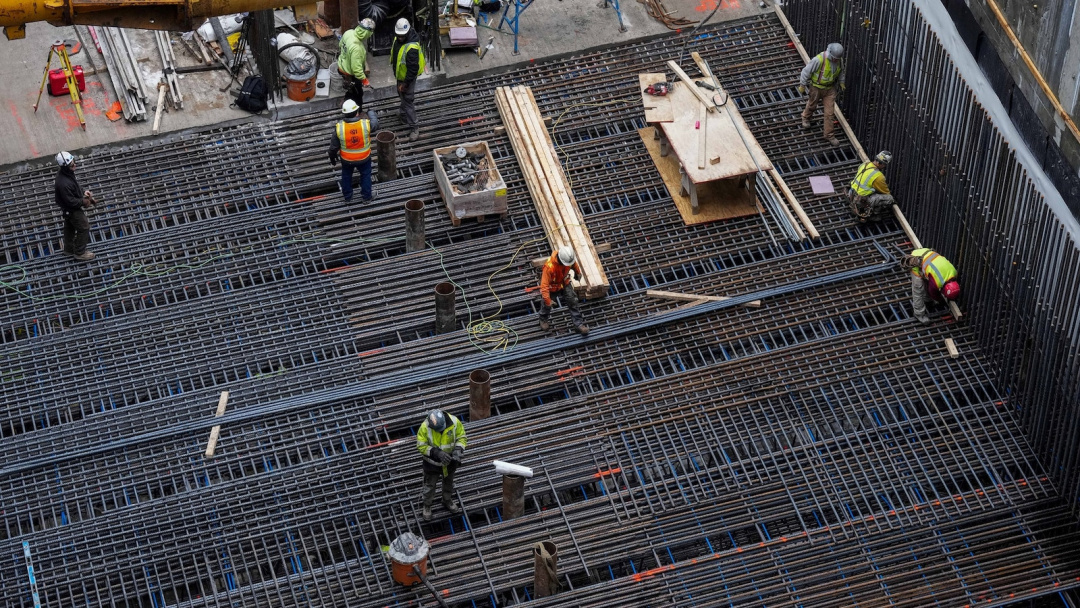
The upcoming jobs report is poised to provide critical insights into the state of the U.S. economy, particularly as consumers navigate elevated inflation and the Federal Reserve considers a potential interest rate hike. After a solid hiring pace in the first half of 2026, the labor market experienced a contraction in July, with an unexpected loss of 23,000 jobs. Analysts forecast that the report will reveal an addition of 53,000 jobs in August, reflecting a recovery in hiring.
Despite the recent downturn, the unemployment rate is expected to remain at a historically low level of 4.1%. The labor market had shown resilience earlier this year, with an average addition of 92,000 jobs per month over the first six months, a significant improvement from the average loss of about 7,000 jobs per month in the latter half of 2025.
Market Reading & Resources
Sponsor funding complete. Trade on.
The economic landscape has been complicated by rising oil prices, driven by renewed tensions between the U.S. and Iran, which have contributed to inflation reaching a three-year high in May. Although inflation eased somewhat in June and July, recent geopolitical developments have caused crude prices to rise again, adding pressure to the economy.
As of July, the annual inflation rate stood at 3.4%, exceeding the Federal Reserve's target of 2%. This persistent inflation, combined with a relatively strong labor market, has heightened expectations for an interest rate increase at the Fed's upcoming meeting. Market sentiment indicates a roughly 50% chance of a quarter-point rate hike on September 16, according to the CME Group's FedWatch Tool.
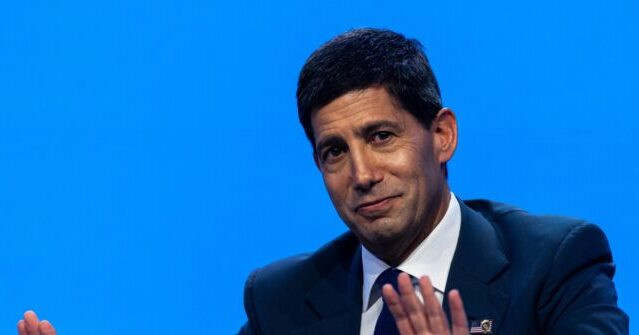
While a rate hike could help mitigate inflation, it also poses risks to hiring stability. The Federal Reserve's recent meetings have shown a division among policymakers, with three members voting in favor of a rate increase, the highest dissent since 2016. Fed Chair Kevin Warsh emphasized the importance of prioritizing inflation control, warning that misjudging the economy could adversely affect everyday Americans, who bear the brunt of high inflation and job insecurity.