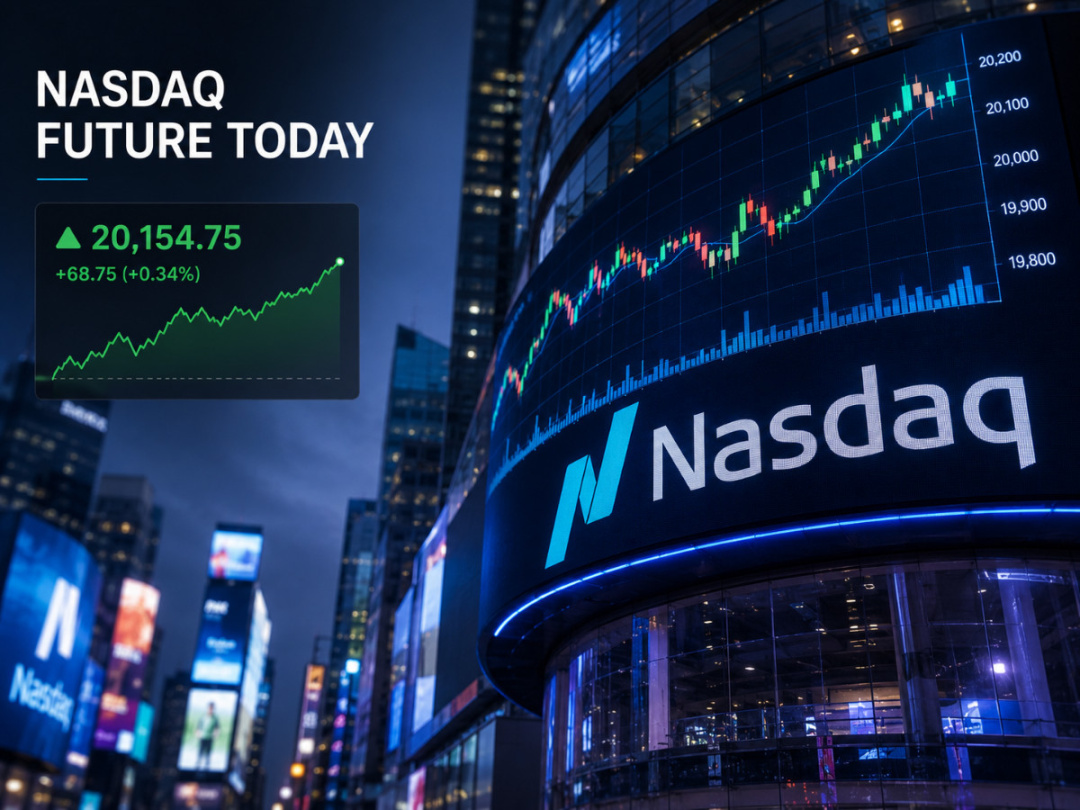
Nasdaq Composite Rises 0.80% Amid Oil Price Surge and Fed Rate Hike Concerns
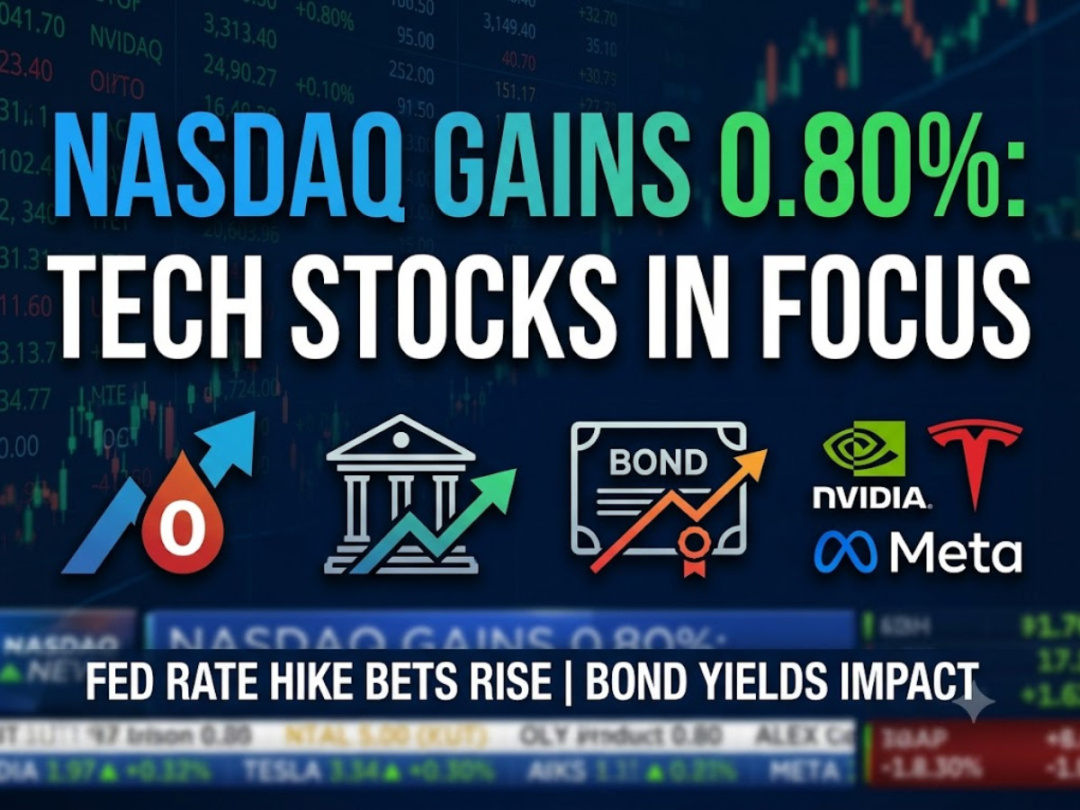
On September 3, the Nasdaq Composite opened higher, gaining 209.72 points or 0.80%, reaching 26,427.55. This increase came as investors assessed the impact of rising oil prices, Treasury yields, and geopolitical tensions in the Middle East, particularly concerning Iran and the Strait of Hormuz. The combination of higher oil prices and elevated bond yields has raised concerns about inflation, which could pressure technology and growth stocks.
Despite these concerns, the Nasdaq's upward movement was supported by a stabilization in Treasury yields, which had recently risen. Major technology companies, including Microsoft, Nvidia, Meta, and Tesla, contributed to the positive momentum in the index. Investors are particularly attentive to how rising energy costs might affect inflation and, consequently, the Federal Reserve's monetary policy.
Market Reading & Resources
Sponsor funding complete. Trade on.
Nvidia, a key player in the semiconductor and artificial intelligence sectors, was closely watched during this trading session. The stock traded between $228.24 and $228.34, reflecting a gain of approximately 1.8% and a market capitalization of around $5.57 trillion. Nvidia's performance is crucial for the Nasdaq, as it influences investor sentiment towards the broader technology sector.
While many technology stocks posted gains, some semiconductor stocks faced declines, with Broadcom experiencing the largest drop at 6.35%. Oil prices also remained a significant concern, with West Texas Intermediate crude settling at $91.01 per barrel and Brent crude at $95.63, both reflecting nearly a 1% increase. Higher crude prices can exacerbate inflationary pressures, which could impact the Federal Reserve's policy decisions and affect technology stock valuations.
Geopolitical developments, particularly those involving Iran, are critical for Nasdaq investors. The Strait of Hormuz is vital for global oil supply, and any escalation in tensions could heighten concerns about energy prices and supply stability.
The 10-year US Treasury yield reached 4.818%, its highest since November 2023, making bonds more attractive compared to equities and increasing borrowing costs. This situation could lead investors to reassess valuations of high-growth technology companies.
As the Nasdaq enters September, investors are balancing strong performance in the technology sector against rising macroeconomic risks. The interplay between oil prices, Treasury yields, and Federal Reserve policy expectations will be crucial in determining the future direction of technology stocks. Investors will continue to monitor Nvidia and other major AI and semiconductor companies, as their performance significantly influences the Nasdaq's trajectory.