Waller Advocates Patience on Interest Rates Amid Declining Inflation
Federal Reserve Governor Christopher Waller has called for a measured approach regarding interest rates, advocating for patience as core inflation shows signs of decline. Speaking on September 3, Waller indicated his preference to keep the federal funds rate steady within the range of 3.5% to 3.75% during the upcoming Federal Open Market Committee (FOMC) meeting. He believes that the recent inflation data warrants time for assessment before any policy adjustments are made.
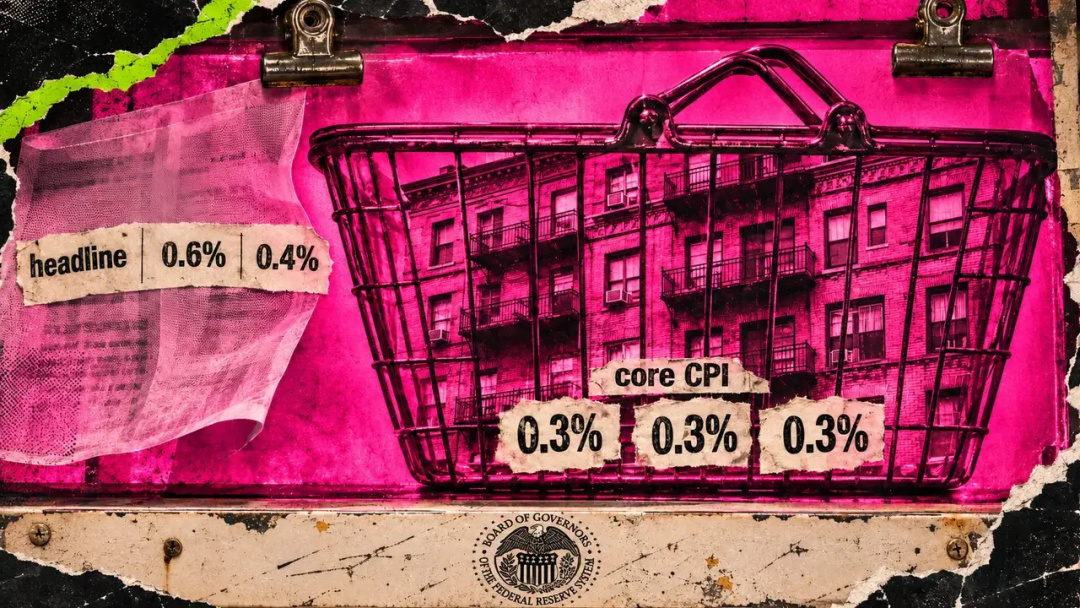
Waller's position is supported by a notable decrease in the three-month core inflation rate, which fell from 4.76% in February to 3.05% by July. Although this figure remains above the Federal Reserve's target of 2%, the downward trend is seen as a positive development. He described this shift as encouraging and argued that a modest increase of 25 basis points would not significantly influence the Consumer Price Index (CPI) towards the target.
Market Reading & Resources
Sponsor funding complete. Trade on.
The context of Waller's remarks includes ongoing economic challenges, such as tariffs from 2025 affecting supply chains and consumer prices, as well as high energy costs linked to military conflicts in the Middle East. Additionally, the impact of AI-driven demand is creating new pricing dynamics that economists are still analyzing.
Waller did not dismiss the possibility of future rate hikes, stating that if upcoming inflation data is disappointing, a reevaluation of the current policy stance would be necessary. He has previously warned that persistently high core inflation could lead to tighter monetary policy.
This perspective marks a shift in Waller's approach, as he began 2026 with a more dovish outlook, anticipating a quicker cooling of inflation than what has occurred. His current stance reflects a more data-driven approach to policy decisions.
Waller's cautious approach contrasts with that of Chairman Kevin Warsh, who is reportedly leaning towards a more aggressive rate-hiking strategy. Waller's argument centers on the idea that waiting for one more month of data will not undermine the Fed's credibility, while acting prematurely could lead to misguided decisions.
For investors, Waller's position provides temporary relief from concerns about rate hikes. Maintaining the current rate allows risk assets, including equities, to stabilize. Should the next inflation data confirm the downward trend, the rationale for holding rates steady will strengthen. Conversely, if inflation numbers rise again towards February's levels, discussions about tightening policy will intensify.