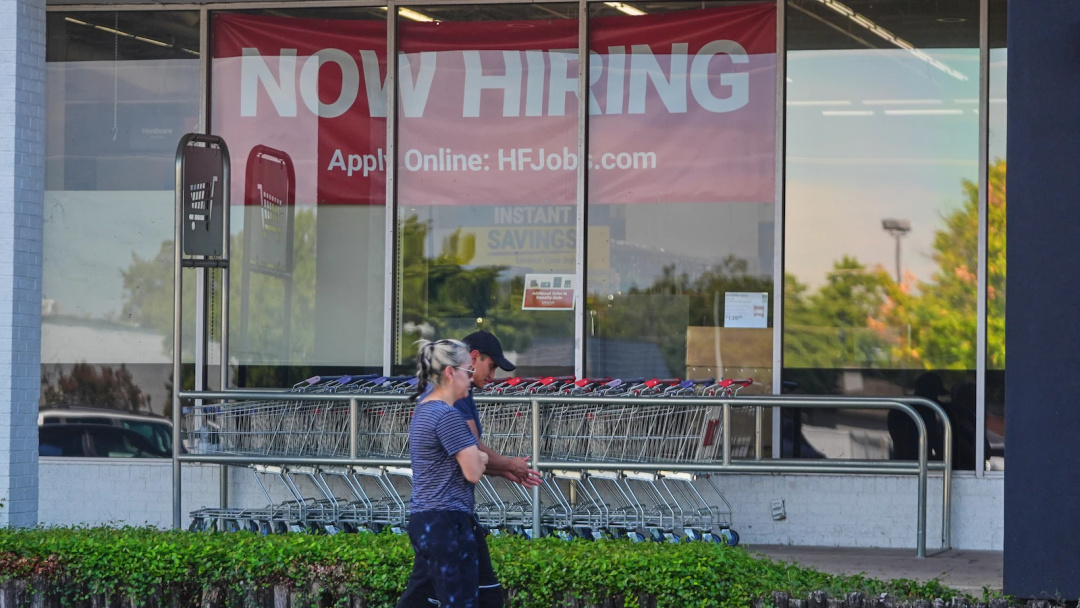
Unemployment Claims Rise to 206,000 While Job Market Remains Stable
The Labor Department has announced that unemployment claims have risen to 206,000, up from a revised figure of 204,000 the previous week. Despite this uptick, layoffs are still infrequent, and jobless claims continue to be at historically low levels. The four-week average of claims, which helps to smooth out weekly fluctuations, has also seen a modest increase, now standing at 207,250.
Economists closely monitor these claims as they serve as an indicator of layoffs and overall job market health. Over the past year, claims have predominantly remained within a low range of 200,000 to 230,000 per week. Companies are hesitant to let go of employees, likely due to the labor shortages experienced after the COVID-19 pandemic.
Market Reading & Resources
Sponsor funding complete. Trade on.
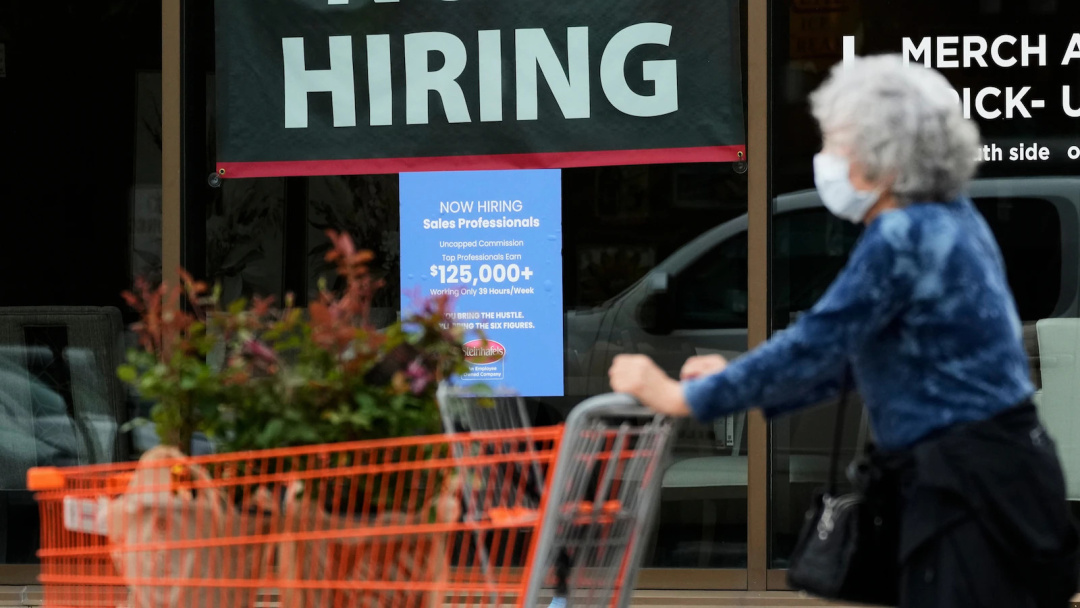
Currently, the unemployment rate is at 4.1%, reflecting a stable job market. However, employers appear reluctant to expand their workforce. Recent data from the Labor Department indicates that gross hiring has decreased by 5%, with fewer than 5.1 million new jobs being created. This situation has led to what economists describe as a "no-hire, no-fire" labor market, where job security is prevalent for current employees, but new entrants face challenges in securing employment.
In July, job cuts totaled 23,000 across various sectors, while employers have been adding an average of 61,000 jobs per month this year, a significant increase from the 9,700 average in the previous year. This hiring rate remains below the average of 166,000 monthly jobs created in 2023 and 2024, and far less than the 491,000 monthly jobs added during the post-pandemic hiring surge.
Looking ahead, the Labor Department is expected to release its report on hiring and unemployment for the previous month, with forecasts suggesting that employers added approximately 65,000 jobs in August and that the unemployment rate may have risen to 4.2%. These figures will provide further insight into the current state of the labor market and the ongoing economic recovery.