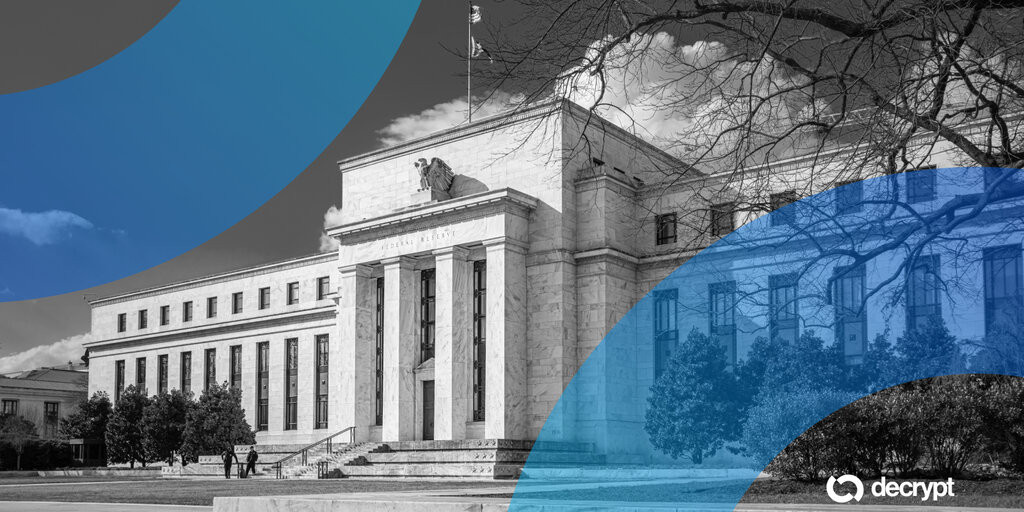
Federal Reserve Beige Book Reports Modest Economic Growth and Inflation Concerns
The Federal Reserve's Beige Book report reveals that US economic activity has increased modestly, with slight growth in employment and moderate price increases observed in recent weeks. This mixed report may not significantly influence central bank policymakers as they deliberate on potential interest rate adjustments during their upcoming meeting on September 15-16. The Fed noted that while the general outlook for the coming months appears positive, sentiment varies across sectors, with heightened uncertainty stemming from rising energy prices, policy changes, and international conflicts.
In the report, which aggregates qualitative economic data from all 12 regional banks, it was noted that the pace of price increases has slowed in three districts, remained unchanged in eight, and increased in one. Consumer-facing businesses in some areas reported that customers are becoming more price-sensitive, limiting their ability to pass on rising input costs.
Market Reading & Resources
Sponsor funding complete. Trade on.
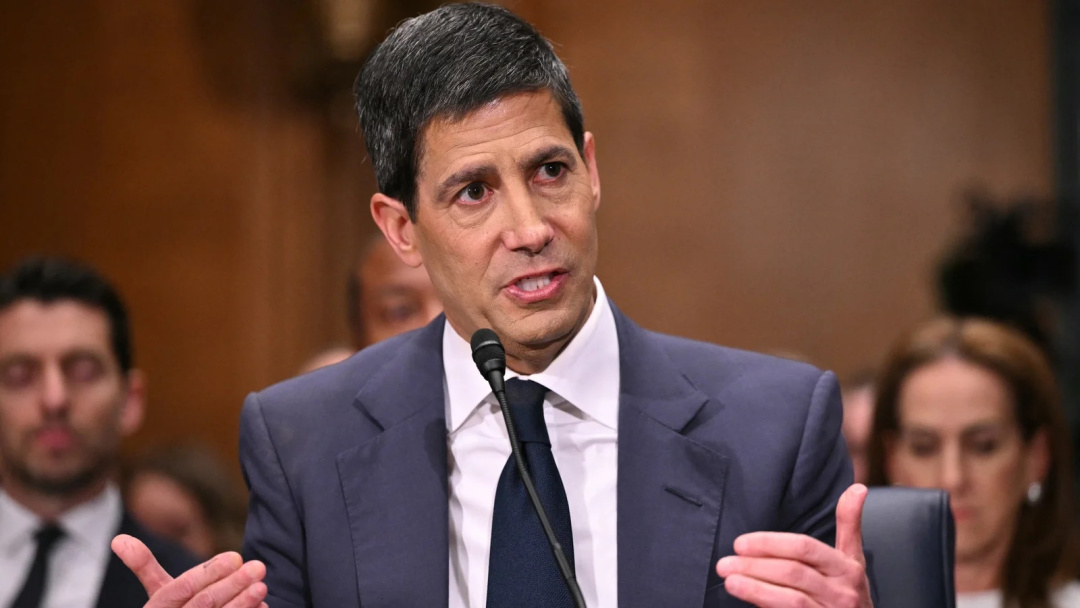
At the last meeting in late July, the Fed maintained its benchmark overnight interest rate in the range of 3.5% to 3.75%, a level it has held since December. Currently, five of the 19 policymakers believe a rate hike is overdue, while others are awaiting further improvements in inflation before supporting a rate increase. Expectations for a rate hike this month are heightened, particularly after Fed Chairman Kevin Warsh emphasized his focus on inflation and indicated a willingness to raise rates if necessary.
The report highlights that inflation, as measured by the Personal Consumption Expenditures Price Index, has been above the Fed's target for over five years. Warsh remarked that recent positive monthly readings do not necessarily indicate a significant improvement in the inflation trend. Investors are closely monitoring comments from other policymakers for insights into their perspectives on inflation and interest rates.
The Beige Book also pointed out that the volatile situation in the Middle East, particularly tensions between the US and Iran, has contributed to rising oil prices, which may further complicate the inflation landscape. Input price pressures were notably high in manufacturing and construction sectors, with widespread reports of increased costs for energy, transportation, and raw materials.
Financial markets currently reflect a 65% probability of a rate hike this month, with a 35% chance of maintaining the current rate, indicating significant uncertainty ahead of the meeting. The report collected data up to August 24, and while concerns over inflation remain, they do not appear to have worsened since the last report in mid-July.
The Beige Book also noted challenges in the housing market, with reports of slowing sales as consumers hesitate to invest in homes amid rising inflation and mortgage rates. Some districts reported that wage growth is not a major factor driving inflation, although specific sectors like construction are experiencing wage pressures.
Additionally, the impact of artificial intelligence on labor demand was highlighted, with districts reporting both positive and negative effects. The report also mentioned the economic influence of weight-loss drugs, which have spurred robust demand for protein and investments in dairy manufacturing facilities in certain regions.