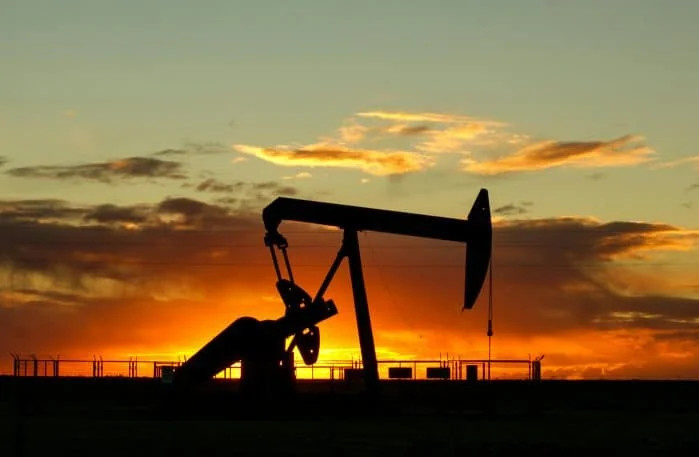
US-Iran Tensions Drive Oil and Gas Prices Higher, Threatening European Inflation
Renewed hostilities between the US and Iran near the Strait of Hormuz have led to a significant increase in oil and gas prices. Brent crude has climbed past $95 per barrel, while European natural gas futures have reached levels not seen in three years. This surge in energy costs comes at a particularly challenging time for Europe, which is still recovering from the energy crisis of 2022, with winter heating bills on the horizon.
On September 1, 2026, Brent crude rose more than $4 per barrel to settle near $94.65, before pushing above $95 the following day. European natural gas futures have exceeded €70-75 per MWh, marking their highest levels since 2023. The Strait of Hormuz, a critical waterway for global LNG supplies and seaborne oil, has seen a sharp decline in tanker traffic due to US airstrikes on Iranian positions and subsequent Iranian retaliation. Reports indicate that only a limited number of vessels are making daily passages through this chokepoint, significantly below normal levels.
Market Reading & Resources
Sponsor funding complete. Trade on.
Tensions between the US and Iran escalated in late February 2026, leading to increased prices, followed by a temporary ceasefire in June that provided a brief respite. However, renewed hostilities in late August have reignited concerns over energy supply disruptions. Since March 2026, the ongoing conflict has added an estimated $330 billion to global energy import bills, with Europe bearing approximately $78 billion of that cost.
As a result, Eurozone inflation has accelerated to around 2.9-3.3%, with energy components showing double-digit annual increases. Just months prior, the European Central Bank was considering easing monetary conditions as inflation appeared to be stabilizing around its 2% target. The current situation underscores Europe's vulnerability, as the continent has not fully resolved its energy dependency issues following the reduction of ties with Russian gas. Although Europe has diversified its energy sources, relying more on LNG imports from the US, Qatar, and other producers, the ongoing conflict poses a significant risk to supply routes.
The immediate concern is whether the disruption to traffic through the Strait of Hormuz will worsen or stabilize. A limited number of daily vessel passages may be manageable for a few weeks, but if the situation persists into October and November, it could severely impact European gas storage levels heading into winter.