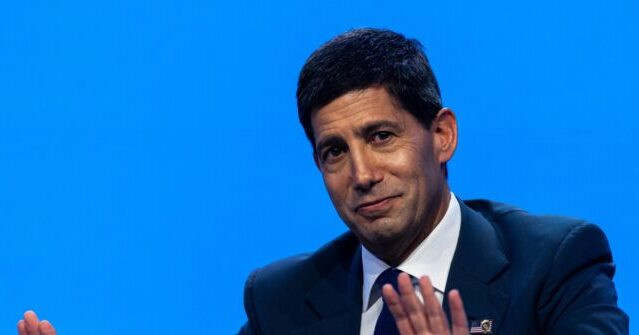
Federal Reserve Chairman Warsh Presents New Monetary Policy Framework
Kevin Warsh, marking his 100th day as Federal Reserve Chairman, delivered a keynote address at Jackson Hole that diverged from traditional central bank speeches. Instead of providing forward guidance on interest rates, Warsh detailed the economic indicators he prioritizes in his decision-making process. His address introduced a 'trail map' for monetary policy, anchored by seven key principles, including a firm commitment to a 2% inflation target and a focus on short-term interest rates as the primary tool for the Fed.
Currently, the Personal Consumption Expenditures (PCE) inflation rate, which the Fed uses as its preferred gauge, stands at 3.7% year-over-year. Over the past six months, this annualized rate has risen to 4.1%, with approximately half of the PCE components exceeding 3% annually. On the employment front, the unemployment rate is at 4.1%, a figure Warsh considers indicative of full employment.
Market Reading & Resources
Sponsor funding complete. Trade on.
A notable point from Warsh's address was the increase in business capital expenditure, which is growing at around 9% on a four-quarter basis, with a significant portion of this investment directed towards artificial intelligence.
Warsh's approach reflects a philosophical shift towards real-time economic indicators, moving away from reliance on traditional monthly data releases that often lag behind current conditions. He observed that current financial conditions show few signs of policy restraint, suggesting that the economy is not feeling significant pressure from existing rates. This insight implies that there may be room for tighter monetary policy if warranted by the data.
The response from Wall Street was mixed, with analysts describing Warsh's speech as hawkish yet moderate. While he did not advocate for immediate rate hikes, he left the possibility open. Consequently, bond traders are now factoring in a higher likelihood of a rate increase as soon as September, although uncertainty remains under Warsh's new framework.