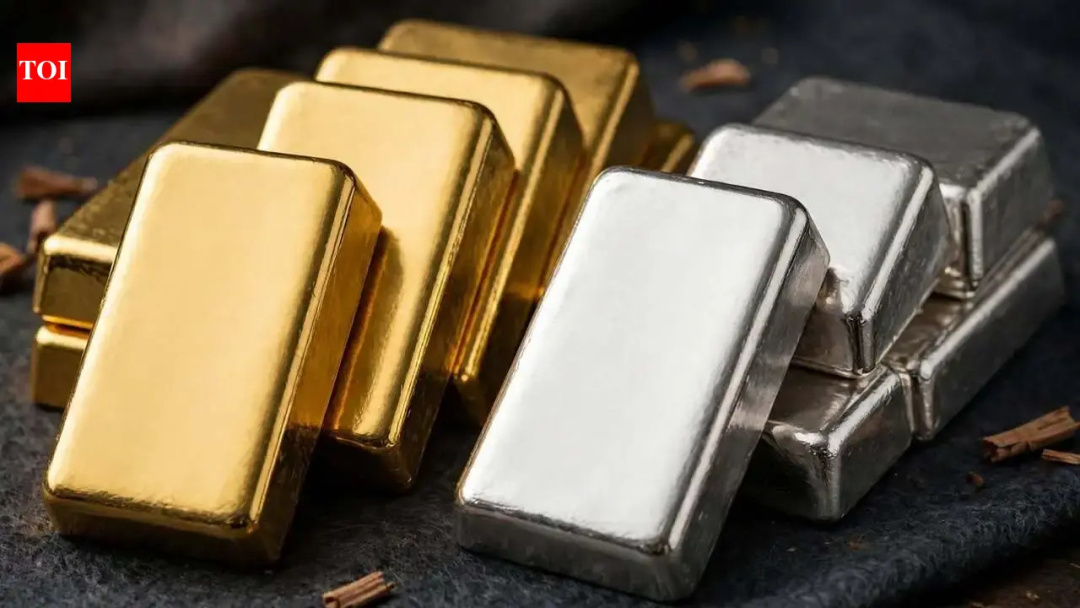
Federal Reserve Chair's Comments Impact Gold and Silver Prices
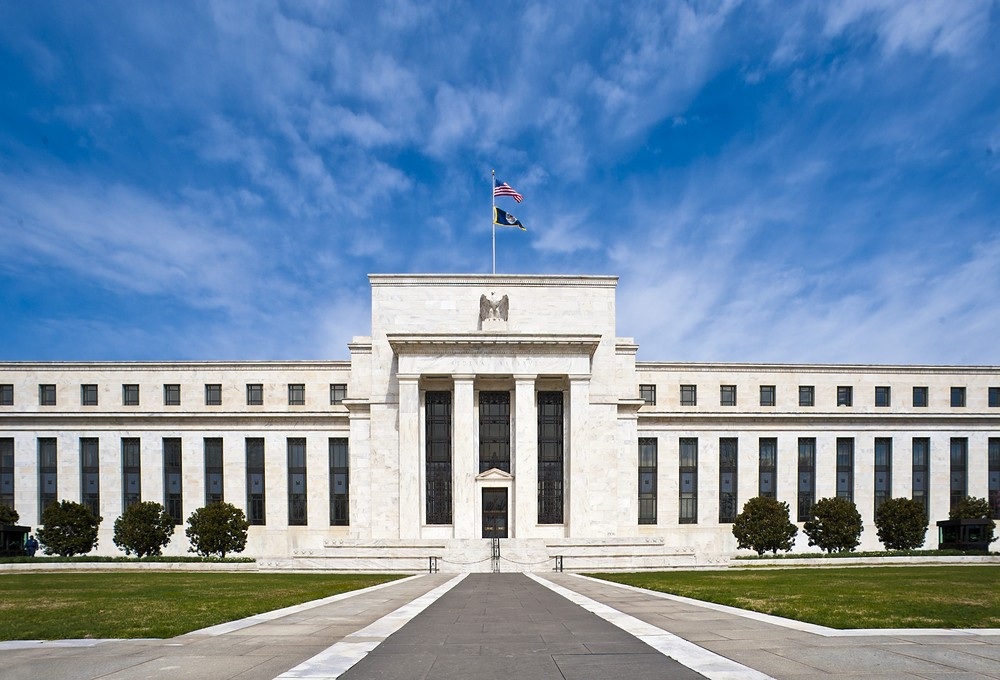
On Friday, Federal Reserve Chair Kevin Warsh's hawkish comments regarding inflation led to a notable decline in the prices of gold and silver, with both metals falling around 3% after his press conference. Warsh's tough stance on inflation raised concerns about potential interest rate hikes, which many financial analysts believe negatively affect precious metals due to their lack of yield compared to bonds and CDs. However, the relationship between interest rates and precious metals is not as straightforward as it may seem.
Historical data from the 1970s reveals that U.S. bond yields and silver prices moved in tandem, with silver rising from approximately $1.30 per ounce to nearly $50 as yields increased from 5% to 13%. Similarly, gold prices surged from $35 to around $850 during this period. This suggests that precious metals can indeed appreciate even when interest rates are rising.
Market Reading & Resources
Sponsor funding complete. Trade on.
Despite this, the dynamics changed in the 1980s when both gold and silver peaked alongside interest rates. Since then, interest rates have generally trended downward, leading to a bear market for precious metals that lasted until 2000. The early 2000s saw a resurgence in precious metals prices, coinciding with low interest rates following the dot-com crash.
The current economic environment is markedly different from the 1970s, particularly regarding national debt levels. Today, the U.S. debt-to-GDP ratio exceeds 120%, making it unlikely that the Fed could raise interest rates significantly without incurring unsustainable costs for servicing the debt. If rates were to rise sharply, the interest payments could balloon to approximately $5 trillion annually, a figure that matches total tax revenue.
This scenario leads to the conclusion that the Fed may be constrained in its ability to raise rates, similar to the post-World War II era when the government maintained low interest rates to manage unpayable debts. During that time, inflation reached as high as 19%, while bond yields remained around 2.25%. Such a path seems more plausible than aggressive rate hikes aimed at curbing inflation.
Moreover, the Fed's rhetoric often portrays them as vigilant guardians of currency stability, yet inflation has consistently exceeded their 2% target for over five years. This raises questions about their commitment to controlling inflation through rate increases, especially given the potential repercussions on national debt.
In summary, while precious metals experienced a sell-off following Warsh's remarks, the relationship between interest rates and their prices is complex and not easily predictable. The current economic landscape suggests that significant rate increases may not be feasible, reinforcing the notion that precious metals and hard assets remain essential investments for the foreseeable future.