Fed Chair Warsh Highlights Key September Meeting for Inflation Strategy
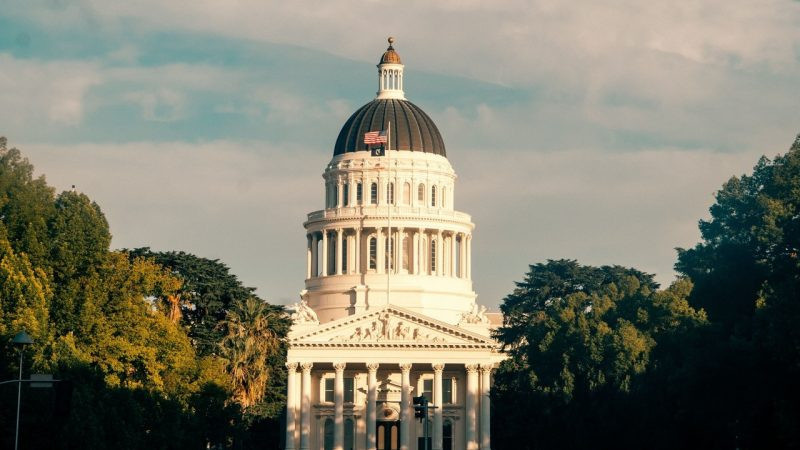
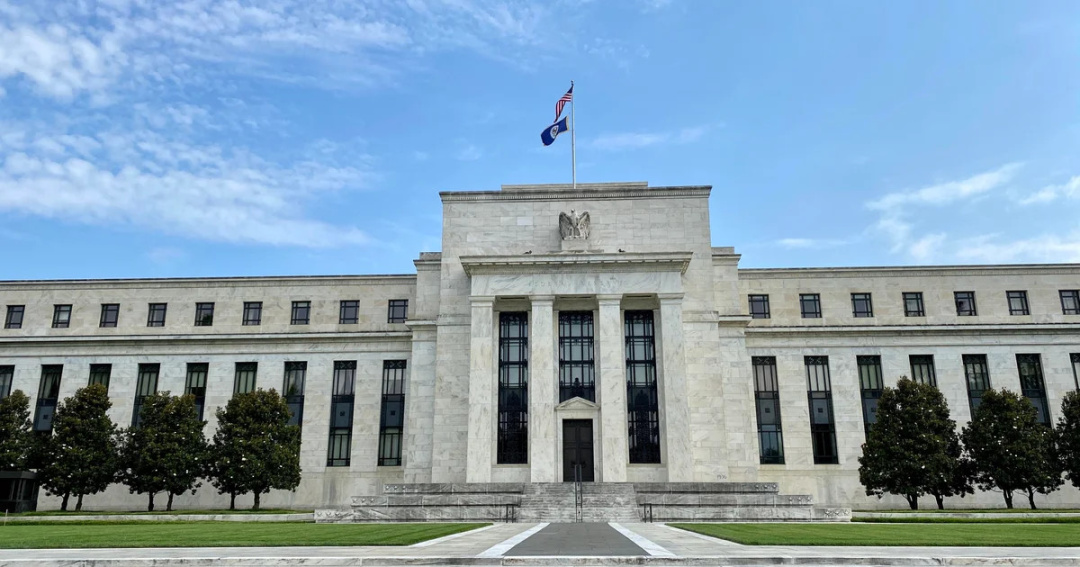
Federal Reserve Chair Kevin Warsh delivered a significant speech at Jackson Hole, underscoring the critical nature of the Fed's upcoming policy meeting scheduled for September 15-16. He indicated that this meeting could be pivotal in the central bank's ongoing efforts to combat inflation, which continues to exceed target levels. Following Warsh's address on August 28, market reactions were swift, with the CME FedWatch tool showing an increase in the implied probability of a 25-basis-point rate hike from approximately 35% to between 57% and 62%.
The current inflation landscape is concerning, with the Fed's preferred measure, the Personal Consumption Expenditures (PCE) index, reported at 3.7% year-over-year. A closer look at the six-month annualized rate through July 2026 reveals an even more troubling figure of 4.1%. Warsh reiterated that controlling inflation is the Fed's primary goal, stating that without a noticeable reduction in underlying price pressures, the institution will have "work to do." He has adopted a data-driven approach, explicitly avoiding traditional forward guidance.
Market Reading & Resources
Sponsor funding complete. Trade on.
The July 29 Federal Open Market Committee (FOMC) meeting highlighted the internal tensions within the Fed, as the committee voted 9-3 to maintain rates in the 3.5% to 3.75% range, with three members dissenting in favor of a rate increase—a division not seen in a decade. Throughout his tenure, Warsh has kept rates steady while remaining open to tightening if inflation does not show signs of improvement.
A key factor leading up to the September decision will be the August Consumer Price Index report, set to be released on September 11, providing the committee with just four days to analyze the latest inflation data before their deliberations.
The shift in rate expectations has significant implications across various asset classes. An increase in rates typically raises borrowing costs, pressures equity valuations, and makes riskier assets less appealing compared to safer investments like Treasury bonds. The rapid change in implied hike probabilities from 35% to over 57% indicates a substantial recalibration of market expectations within a short timeframe. Should the committee decide to raise rates to the 3.75% to 4% range, traders are likely to begin factoring in the potential for further tightening later in the year.