Asian Markets Drop as U.S. Futures Fall and Oil Prices Rise After Strike
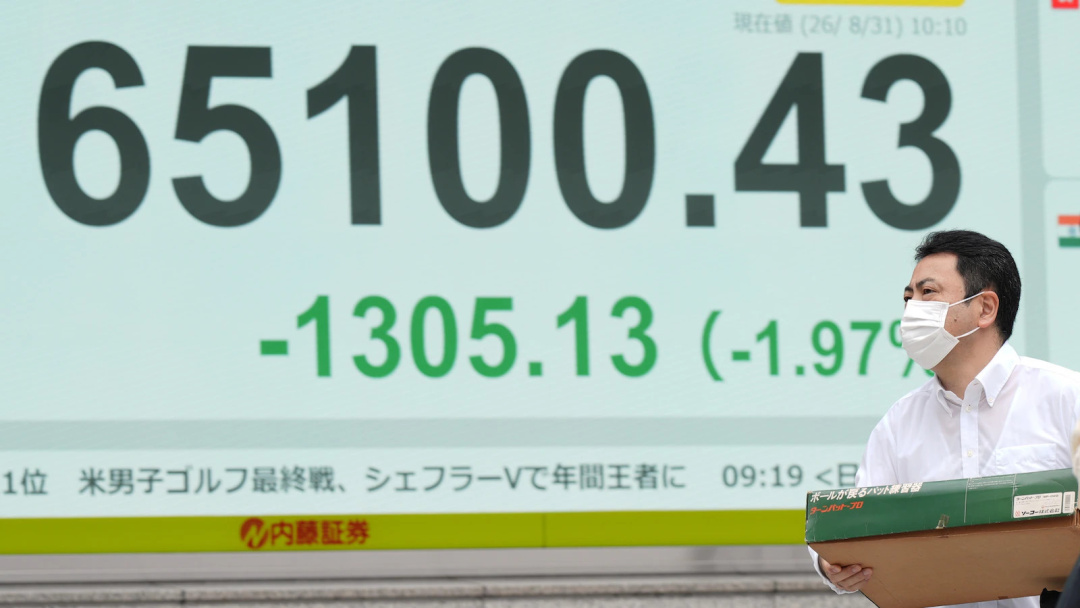
Shares in Asia mostly fell on Monday, with U.S. futures also declining as investors anticipated that the U.S. Federal Reserve may soon raise interest rates. This market movement comes in the wake of a U.S. military strike on Iranian rocket launchers in the Strait of Hormuz, which has led to a significant increase in oil prices, rising approximately 3%. Brent crude, the international benchmark, rose by 2.9% to $90.61 per barrel, while U.S. benchmark crude increased by 2.7% to $85.66 per barrel.
Stephen Innes of SPI Asset Management noted that the recent military action served as a reminder that the relative calm in the Strait of Hormuz does not equate to lasting peace. The market's reaction was also influenced by comments from Fed Chairman Kevin Warsh, who indicated that the central bank would take necessary steps to combat inflation, even if it means short-term economic pain.
Market Reading & Resources
Sponsor funding complete. Trade on.
In Asia, the Nikkei 225 index in Tokyo fell by 0.4%, while South Korea's Kospi dropped by 0.5%. Hong Kong's Hang Seng index decreased by 0.4%, although the Shanghai Composite index managed a slight gain of 0.4%. In Australia, the S&P/ASX 200 index lost 0.2%, and Taiwan's Taiex fell by 0.4%. The Sensex in India also slipped by 0.6%.
The S&P 500 and Dow Jones Industrial Average futures both fell by 0.3%. On the previous Friday, the S&P 500 had declined by 0.2%, and the Dow saw a minimal dip of less than 0.1%. The Nasdaq composite fell by 0.5%.
In the bond market, the yield on the two-year Treasury note rose to 4.35%, reflecting increased expectations regarding Fed policy. Longer-term yields also increased, with the 10-year Treasury yield climbing to 4.72% and the 30-year yield reaching 5.21%. These movements indicate growing concerns about persistent inflation.
The U.S. dollar weakened against the Japanese yen, falling to 159.85 from 160.10, while the euro gained slightly against the dollar, rising to $1.1588. The market remains cautious as it navigates the implications of both monetary policy and geopolitical developments.