US Unemployment Rate Drops to 4.1% Amid Concerns Over Labor Force Participation

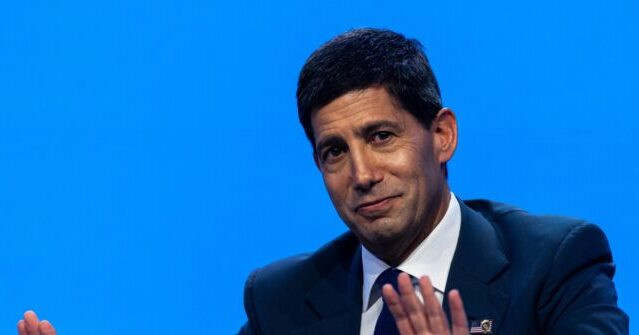
The US unemployment rate has fallen to 4.1% as of July, continuing a gradual decline from 4.5% in November 2025. Federal Reserve Chair Kevin Warsh and other officials view this as a sign that the economy is nearing full employment. According to the Fed's June projections, the median unemployment estimate for 2026 was set at 4.3%, with a longer-term estimate of 4.2%. The current rate is already surpassing these expectations.
In July, the number of unemployed individuals decreased by 178,000, bringing the total to approximately 6.916 million. However, the situation is complicated by a contraction in nonfarm payrolls, which fell by 23,000 during the same month. Additionally, revisions to previous months' data revealed that June saw only 20,000 new jobs added, while May's figures were adjusted down to 63,000.
Market Reading & Resources
Sponsor funding complete. Trade on.
This paradox of a declining unemployment rate alongside shrinking payrolls suggests that the reduction in unemployment may be attributed to individuals exiting the labor force rather than new job creation. The labor force participation rate dropped to 61.4% in July, marking its lowest point since early 2021, while the employment-population ratio stands at 58.9%.
The broader U-6 rate, which includes those marginally attached to the labor force and part-time workers seeking full-time employment, remained unchanged at 7.9%. This figure is nearly double the official unemployment rate, indicating that the positive headline number does not fully reflect the underlying labor market conditions.
Market analysts are looking ahead to the August jobs report, which is anticipated to show payroll growth between 45,000 and 55,000, a rebound from July's losses but still significantly lower than the robust gains seen during the post-pandemic recovery. The unemployment rate is expected to remain steady at 4.1%.
The recent trend in payroll data, with figures of 63,000, 20,000, and then a negative 23,000, illustrates a clear deceleration in job growth. Even if August sees a rebound of 50,000 jobs, it would not reverse the downward trend, as the three-month average would still be weak compared to historical standards.
The decline in labor force participation poses a specific risk to economic productivity. A shrinking workforce could limit the economy's capacity to grow, and if demand increases while the labor pool continues to diminish, wage pressures may rise, complicating the Federal Reserve's efforts to manage inflation.
In recent weeks, Treasury yields have remained stable, reflecting uncertainty about the future direction of monetary policy, whether it will involve cuts or a prolonged pause extending into 2027. Investors are advised to focus less on the headline unemployment rate and more on the participation rate, the U-6 measure, and the pace of payroll revisions to gauge the true state of the labor market.