Job Growth Forecast for August May Influence Federal Reserve's Inflation Focus

Economists are forecasting a modest rebound in job growth for August, with expectations of approximately 55,000 nonfarm payroll additions. This anticipated increase follows a surprising decline of 23,000 jobs in July, which unsettled markets. If the job growth materializes, it would enable the Federal Reserve to refocus on its primary concern: managing inflation, which continues to exceed its target levels.
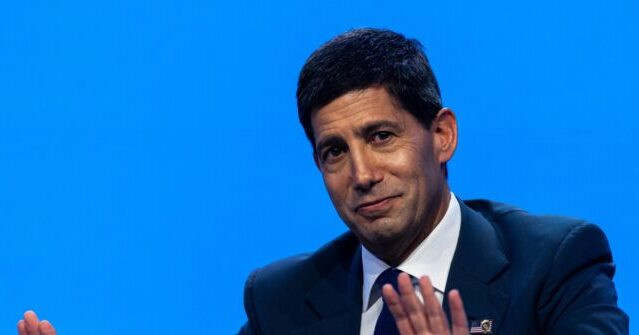
The unemployment rate is projected to hold steady at around 4.1%, a figure that Fed Chair Kevin Warsh recently indicated aligns with full employment during his remarks at the Jackson Hole economic symposium. Currently, headline PCE inflation, the Fed's preferred measure, stands at about 3.7% year-over-year, while core PCE, which excludes food and energy prices, is approximately 3.3%. Both metrics are significantly above the Fed's 2% target.
Market Reading & Resources
Sponsor funding complete. Trade on.
The federal funds rate has remained in the range of 3.50% to 3.75% throughout 2026, but inflation has not shown signs of abating. During his Jackson Hole address, Warsh laid the groundwork for a potential shift in focus, suggesting that the labor market's performance could allow the Fed to prioritize inflation control over employment concerns.
The July job loss appears to be an anomaly rather than the beginning of a downward trend. Economists across Wall Street have converged on a job growth estimate between 50,000 and 55,000 for August. Job growth has been steady in 2026, with unemployment rates fluctuating in the low to mid-4% range.
A strong payroll report for August could lead to a more hawkish stance from the Fed, prompting bond markets to adjust accordingly. Yields on shorter-duration Treasuries may rise as traders anticipate further tightening measures. Additionally, a combination of increasing employment and persistent inflation could bolster the US dollar, as higher interest rates attract foreign capital.
With headline PCE inflation at 3.7% and core PCE at 3.3%, the gap between current inflation levels and the Fed's target remains significant. The potential job growth in August could provide the Federal Reserve with the necessary conditions to address inflation more aggressively.