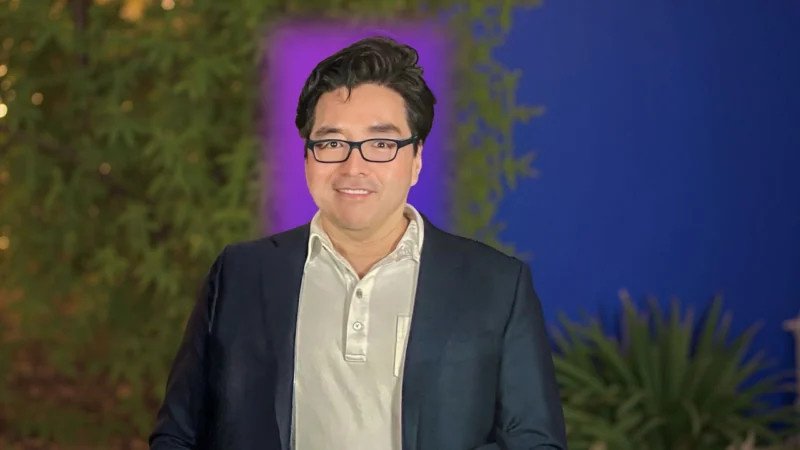
Kevin Warsh's Jackson Hole Address Signals Tougher Stance on Inflation
Federal Reserve Chair Kevin Warsh delivered a significant address at the Jackson Hole Economic Policy Symposium, highlighting the persistent challenge of inflation and the potential for a rate increase in September. This event, which took place from August 27 to 29 at Jackson Lake Lodge, gathered central bankers, academics, and policymakers under the theme of financial innovation and its implications for monetary policy.
Warsh's keynote speech on August 28 marked his first major public appearance since taking office. He pointed out that the July Personal Consumption Expenditures index stood at 3.3%, exceeding the Federal Reserve's target of 2% by 1.3 percentage points. This gap underscores the central bank's ongoing efforts to combat inflation, which Warsh indicated is far from resolved.
Market Reading & Resources
Sponsor funding complete. Trade on.
In a notable shift, Warsh advocated for a less verbose communication style from the Fed, moving away from the extensive forward guidance that has characterized its approach in recent years. This change was interpreted by the markets as a hawkish signal, leading to a decline in U.S. equities and an increase in Treasury yields. Following his remarks, the implied probability of a rate hike in September surged to approximately 60%, a significant rise from previous estimates.
The symposium also fostered discussions on broader financial topics, including the impact of tokenized assets and artificial intelligence on monetary policy. However, specific cryptocurrencies were not addressed, and the focus remained on macroeconomic implications rather than regulatory politics.
Warsh, who succeeded Jerome Powell as Fed Chair in May 2026, used this platform to set the tone for his leadership. His emphasis on prioritizing inflation control, maintaining communication discipline, and adhering to a rules-based policy framework reflects a strategic direction for the Federal Reserve moving forward. The immediate market response to his hawkish stance—characterized by falling stock prices and rising yields—illustrates the significant influence of Fed communications on economic expectations. With inflation at 3.3%, the case for maintaining current rates hinges on forthcoming economic data, either showing substantial improvement in inflation or a downturn in economic growth.