Key Inflation Gauge Remains Elevated as Fed Signals Possible Rate Hikes

An inflation measure closely monitored by the Federal Reserve remained elevated last month, highlighting the ongoing financial challenges faced by many Americans. The Commerce Department's report indicated that prices rose by 3.7% in July compared to the same month last year, matching the increase seen in June. This figure is significantly above the Federal Reserve's target inflation rate of 2%. The rise in inflation has been attributed to various factors, including geopolitical tensions that have affected energy prices.
The personal consumption expenditures price index, which is distinct from the more commonly referenced consumer price index, showed that inflation is running higher than the CPI. This discrepancy is partly due to the PCE index placing less emphasis on rental costs, which have been stabilizing recently.
Market Reading & Resources
Sponsor funding complete. Trade on.
Federal Reserve Chair Kevin Warsh, speaking at the annual economic conference in Jackson Hole, Wyoming, acknowledged that while some recent data suggest a slight cooling in inflation, it is not sufficient to indicate a meaningful improvement in underlying trends. He emphasized the need for confidence that inflation is moving towards the Fed's target at a satisfactory pace, hinting at potential interest rate hikes in the coming months.
The Fed's next meeting is scheduled for September 15-16, and while Warsh's comments do not guarantee an immediate rate increase, they signal that current rates may not be adequate to achieve the desired inflation target.
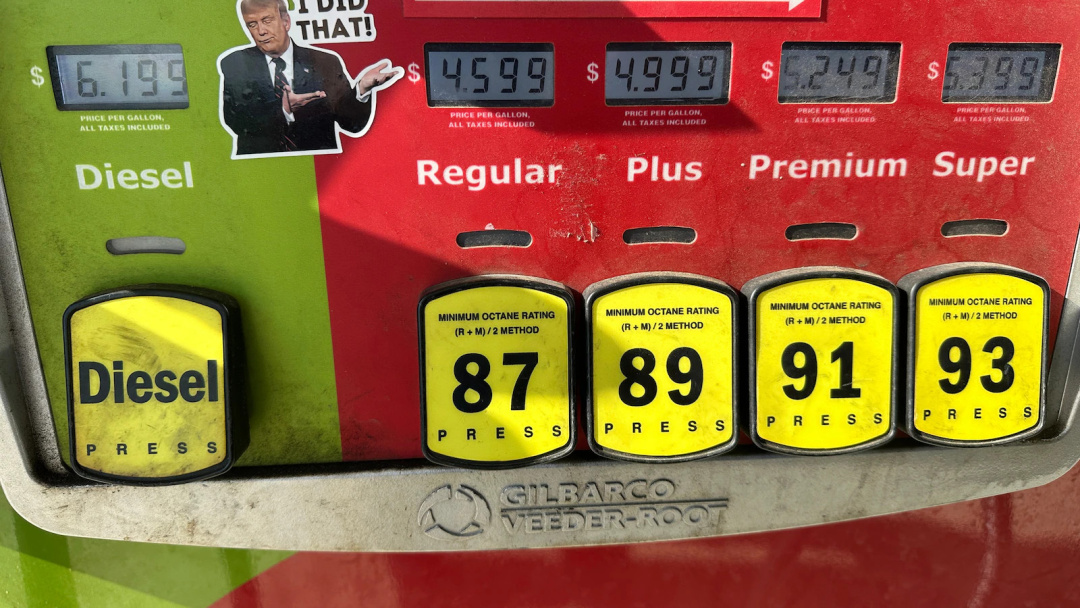
Consumer confidence has also taken a hit, with the Conference Board reporting a decline in its index to 89.4 in August, down from 90.2 in July. This marks the lowest level in seven months, reflecting ongoing concerns about the economy, particularly as gasoline prices remain high due to international conflicts.
Despite sluggish economic growth of 1.5% from April to June, consumer spending has remained robust. The growth rate for gross domestic product has slowed from 2.1% in the first quarter, primarily due to rising imports, which detract from GDP calculations. Mortgage rates have also seen an uptick, with the average 30-year fixed mortgage rate rising to 6.66%, further impacting homebuyers' purchasing power.
In terms of employment, jobless claims have decreased slightly, remaining at historically low levels, indicating a stable job market. The latest figures show claims fell to 203,000, suggesting that layoffs are rare and most Americans enjoy job security. The stock market has remained steady, with expectations of potential interest rate hikes influencing bond market reactions.