Warsh Signals Potential Rate Hikes in Jackson Hole Speech
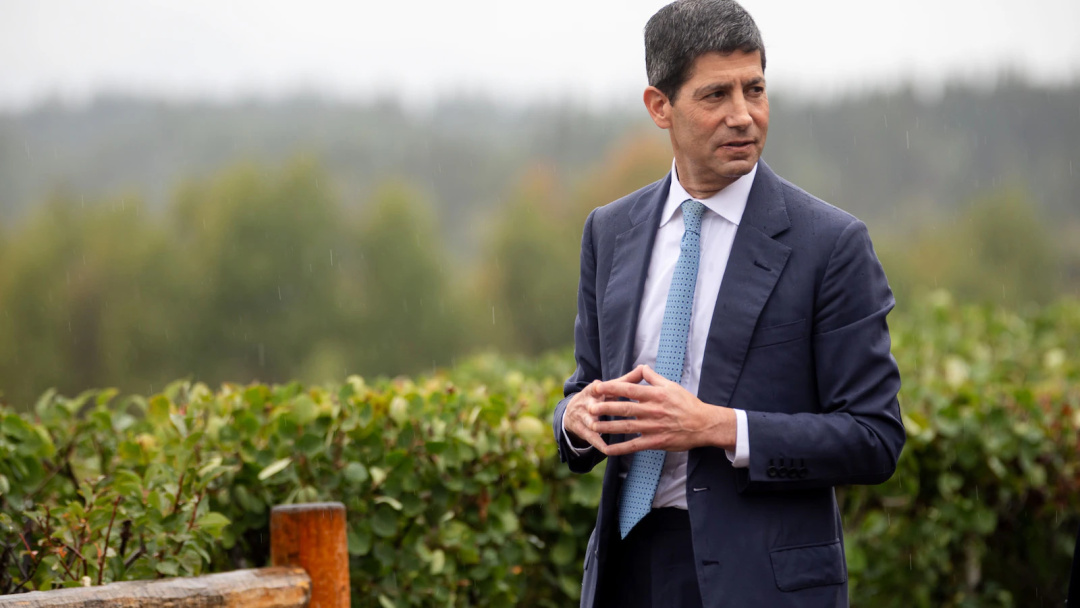
Federal Reserve Chair Kevin Warsh delivered a pivotal speech at the annual Jackson Hole economic conference, outlining his views on the central bank's ongoing battle against inflation. His comments suggest a potential shift towards interest rate hikes if inflation does not show signs of improvement in the coming months. Warsh's address has intensified scrutiny on the Federal Reserve's next steps, particularly with a key inflation report due shortly before the Fed's mid-September meeting.
During his speech, Warsh reiterated his credentials in addressing inflation and indicated that the Fed might need to raise interest rates if inflation remains stubbornly high. While he did not commit to a specific timeline for rate increases, analysts interpreted his remarks as a clear signal that a hike in September could be on the table, especially if the upcoming data supports such a move.
Market Reading & Resources
Sponsor funding complete. Trade on.
Warsh's speech received a mix of praise and criticism from economists and fellow policymakers at the conference. Some noted that his cautious approach reflects a desire to avoid the pitfalls of signaling predetermined actions, a concern he expressed regarding the strategies of his predecessors. Despite the mixed reactions, the prevailing sentiment among analysts is that Warsh's comments have set the stage for heightened expectations regarding interest rate adjustments.
The implications of a rate hike extend beyond the immediate financial markets, as changes in the Fed's benchmark interest rate can influence borrowing costs for mortgages, auto loans, and credit cards. However, the response in longer-term interest rates, such as those on the 10-year Treasury note, has been muted, suggesting that investors may be reassured about the Fed's ability to manage inflation over time.
Warsh also touched on the potential impact of artificial intelligence on economic growth, suggesting that advancements in AI could enhance productivity without exacerbating inflationary pressures. This perspective contrasts with that of other economists, such as Kenneth Rogoff, who cautioned against overestimating AI's ability to resolve economic challenges.
As Warsh continues to navigate the complexities of inflation and economic policy, his remarks at Jackson Hole underscore the critical juncture at which the Federal Reserve finds itself. With inflation affecting a broad range of goods and services, the central bank's decisions in the coming months will be pivotal in shaping the economic landscape.