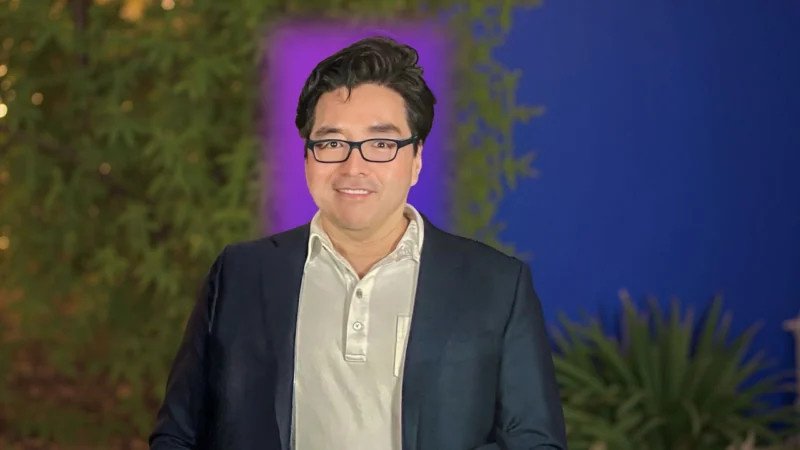
Kevin Warsh Challenges Traditional Views on Inflation and Wage Growth

Kevin Warsh, in his first address as Federal Reserve Chair at the Jackson Hole Economic Symposium, challenged the long-held belief that inflation is primarily driven by rising wages. Instead, he posited that inflation stems more from government spending and monetary policy, a shift that could reshape the Fed's approach to interest rate hikes. Warsh's comments suggest that if inflation is not a result of a robust labor market, the central bank may need to reconsider its rationale for raising interest rates when employment and wages increase.
This new perspective is particularly significant as inflation has remained above the Fed's target for over five years. Recent data indicates that core personal consumption expenditures (PCE) are trending closer to the 2% target, leading to market speculation about the likelihood of a rate hike at the Fed's upcoming meeting. Warsh's remarks provide a fresh framework for market participants to analyze the Fed's decisions moving forward.
Market Reading & Resources
Sponsor funding complete. Trade on.
David Asman, commenting on Warsh's speech, noted that the Fed Chair believes it is time to reassess past mistakes that contributed to inflationary pressures. Warsh's argument shifts the focus from wage growth to fiscal deficits and money supply as the primary inflation drivers. This could have significant implications for various sectors, particularly growth stocks and industrials, as the Fed's traditional response to wage increases may no longer apply.
Analysts have highlighted this shift as a pivotal moment for the Federal Reserve. Phil Kerpen remarked that Warsh's approach represents a fundamental change in the Fed's narrative regarding inflation. He emphasized that the Fed must ensure that underlying inflation trends align with its objectives before making further rate adjustments.
In the context of the current economic landscape, average hourly earnings have shown modest growth, while real wages have barely increased over the past year. Warsh's emphasis on productivity as a key factor in economic growth suggests that the Fed may adopt a more lenient stance on interest rates if productivity gains are realized.
Companies like NVIDIA and Caterpillar exemplify the potential benefits of this new framework. NVIDIA's significant revenue growth and Caterpillar's record sales highlight the ongoing investment in technology and infrastructure, which could be seen as productive rather than inflationary under Warsh's guidance.
As the Fed prepares for its next meeting, Warsh's insights may lead to a more nuanced approach to monetary policy, one that prioritizes productivity and economic growth over traditional inflationary concerns. This could ultimately influence investor sentiment and market dynamics in the coming months.