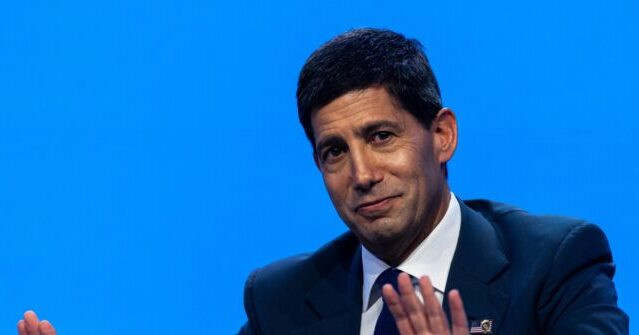
Federal Reserve Chair Warsh Addresses Inflation Concerns and Future Actions
In a recent address, Federal Reserve Chair Kevin Warsh highlighted the ongoing challenges posed by high inflation in the United States, describing the situation as "concerning." Speaking at a central banking meeting in Jackson Hole, Wyoming, Warsh indicated that the Federal Reserve may need to take measures to curb inflation, which has remained above the central bank's long-term target of two percent for more than five years. The latest data shows inflation at 3.7 percent, prompting discussions about potential interest rate hikes.
Warsh remarked that he would be "hard pressed" to label current financial conditions as "restrictive," suggesting that the Fed might consider tightening monetary policy. However, he clarified that he was committed to a disciplined approach rather than making immediate decisions regarding rate changes. He emphasized the necessity for the Fed to ensure that underlying inflation trends are moving toward the target at a sufficient pace, stating, "Otherwise, we have work to do."
Market Reading & Resources
Sponsor funding complete. Trade on.
Despite his concerns about inflation, Warsh acknowledged positive developments in the economy, noting improvements in business capital expenditures, corporate earnings, and consumer spending. He pointed out that the unemployment rate has remained stable at around 4.1 percent, which he believes is consistent with full employment.
Warsh also touched on the impact of artificial intelligence on the economy, calling it a pivotal moment in history. The Fed is currently examining how AI could influence productivity and job markets. Notably, his speech did not address the issue of the Fed's independence, which has faced scrutiny under the Trump administration.
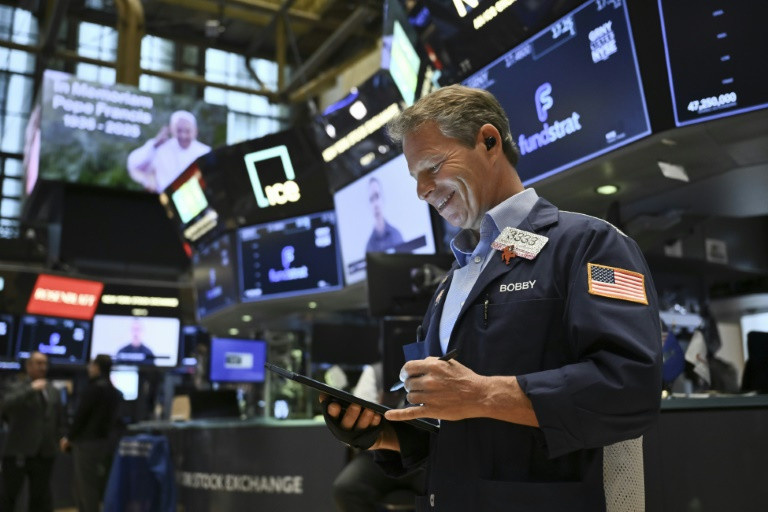
Analysts have interpreted Warsh's remarks as a significant insight into his economic perspective, especially given his previous reticence to share his views. Following his speech, long-term US Treasury yields experienced a brief dip, while the dollar strengthened. However, some experts cautioned that his commitment to less transparency could lead to increased market volatility in the future, as a quieter Fed may result in greater speculation and uncertainty in financial markets.