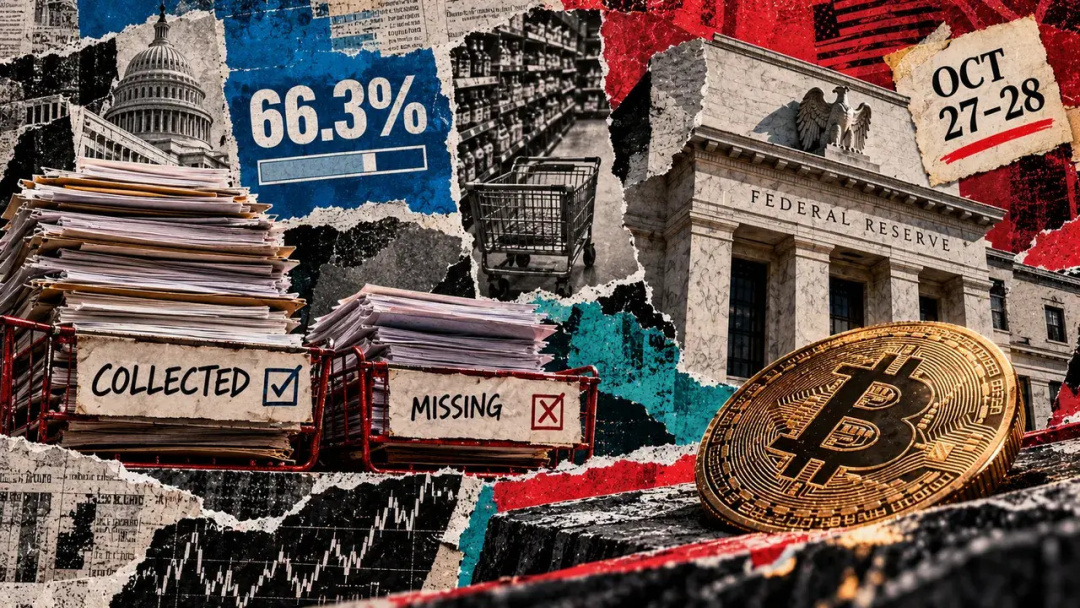
Bitcoin Dips Below $80K Following Fed Chair Warsh's Inflation Remarks

Bitcoin's price briefly fell below $80,000 following remarks from Federal Reserve Chair Kevin Warsh during his keynote speech at the Jackson Hole symposium. Warsh's comments highlighted that inflation continues to be a critical issue for the Federal Reserve, causing Bitcoin to retreat from its recent gains. The cryptocurrency stabilized in the $79,000 to $79,500 range after hitting an intraday low between $77,800 and $78,600, resulting in nearly $488 million in liquidations among crypto traders.
In his speech on August 28, Warsh focused on inflation metrics that remain significantly above the Fed's target of 2%. The Personal Consumption Expenditures (PCE) index, which the Fed uses as a key measure, reported an annual rate of 3.7%. Over the past six months, the annualized rate was even higher at 4.1%. Warsh stated, "We must be confident that underlying inflation is moving to our objective, clearly and at sufficient speed. Otherwise, we have work to do."
Market Reading & Resources
Sponsor funding complete. Trade on.
Following Warsh's comments, Treasury yields rose, and the likelihood of a rate hike in September increased from approximately 35% to between 50% and 60%. This rapid shift in market expectations caught many leveraged crypto traders off guard, leading to substantial liquidations.
Despite the dip, Bitcoin managed to recover to around $79,000 to $79,500 within hours. The liquidations predominantly affected long positions, indicating that traders who anticipated further price increases were caught on the wrong side of the market.
Warsh's acknowledgment of Bitcoin as both a market signal and an alternative asset marks a shift from the dismissive attitudes of some previous Federal Reserve leaders. He recognized Bitcoin as an "important asset" that could influence monetary policy, although he noted that its volatility limits its effectiveness as a currency.
The current macroeconomic environment remains challenging, with PCE inflation at 3.7%, nearly double the Fed's target, and the six-month annualized rate of 4.1% suggesting that inflationary pressures may be increasing rather than decreasing.