Kevin Warsh Addresses Inflation Concerns at Jackson Hole Symposium
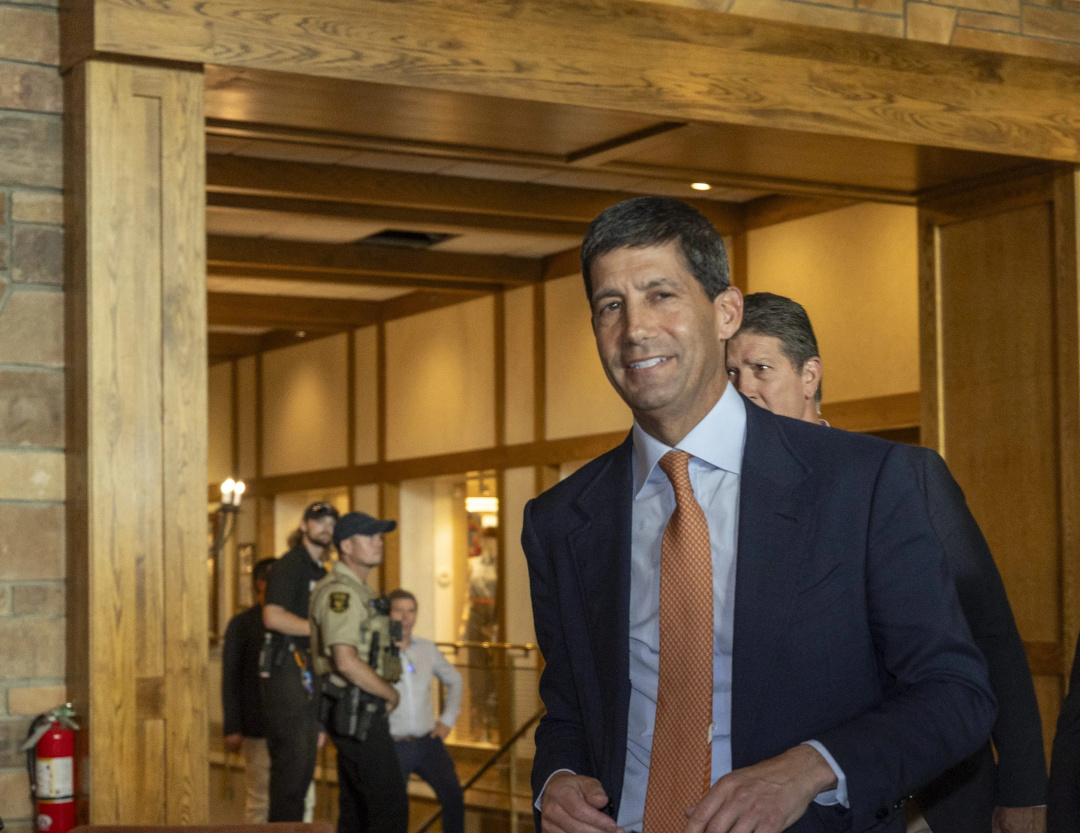
Federal Reserve Chairman Kevin Warsh addressed the Jackson Hole Economic Policy Symposium, highlighting his concerns about ongoing inflation while avoiding definitive statements on potential interest rate increases. During his first address since taking office, Warsh emphasized a commitment to disciplined policymaking rather than predetermined decisions. He acknowledged the dual mandate of the Fed to maximize employment and stabilize consumer prices, noting that the Consumer Price Index (CPI) has remained above the Fed's 2 percent target for an extended period.
In July, the CPI was reported at 3.4 percent year-over-year, while the Fed's preferred inflation measure, the Personal Consumption Expenditures (PCE) price index, rose to 3.7 percent. Warsh pointed out that inflation has exceeded the Fed's target for 65 consecutive months, marking the longest such streak in nearly five decades. Despite a strong labor market, he refrained from indicating the Fed's next steps regarding interest rates, which were held steady at 3.50 to 3.75 percent during the last Federal Open Market Committee (FOMC) meeting.
Market Reading & Resources
Sponsor funding complete. Trade on.
Warsh is known for his skepticism towards the practice of forward guidance, which has been a staple of Fed communication since the 2008 financial crisis. He argued that this approach can lead to misinterpretations of economic trends and mislead investors. Instead, he advocated for a focus on creating more reliable economic models to inform policy decisions, acknowledging the complexities of current economic conditions.
He noted that while the overall PCE index increased by 3.7 percent over the past year, only about half of the components within the index experienced price increases above 3 percent, indicating a potential easing of inflation pressures. Warsh cautioned that economic forecasting remains challenging, especially in light of rapid changes in global dynamics and supply chains.
Additionally, Warsh has called for a reevaluation of the relationship between the Treasury and the Fed, suggesting a new accord to clarify their respective roles. This proposal comes amid rising national debt and increasing Treasury yields, which complicate the Fed's efforts to manage inflation. Treasury Secretary Scott Bessent has expressed support for Warsh's principles, but the differing objectives of the Treasury and the Fed could lead to conflicts in policy implementation. As the national debt surpasses $40 trillion, the implications of these dynamics will be closely monitored by market participants and policymakers alike.