Kevin Warsh Critiques Fed Guidance, Proposes Seven Policy Principles
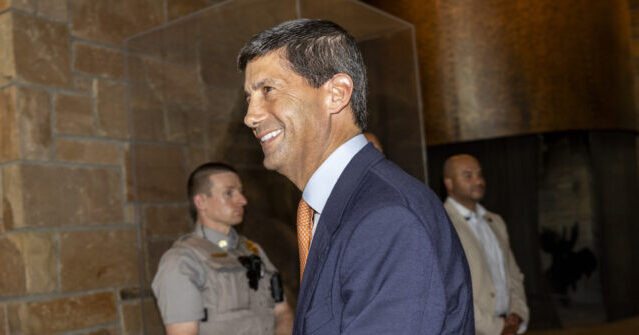
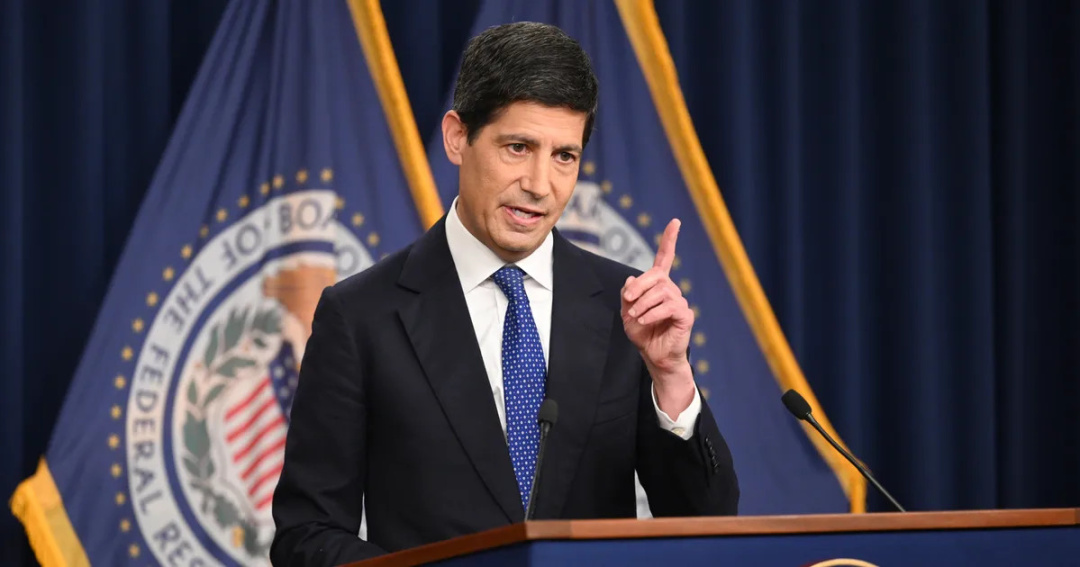
Federal Reserve Chairman Kevin Warsh, in his recent address at Jackson Hole, elaborated on his critical stance regarding the central bank's use of forward guidance. He argued that the Fed should minimize its efforts to communicate future policy directions and instead adopt a framework that allows for adaptability in response to evolving economic conditions. Warsh, who has expressed discomfort with early announcements of policy decisions, reiterated that his approach will influence his leadership of the Fed.
He acknowledged the utility of forward guidance during the 2008 financial crisis but stated that it has since become excessive. Warsh believes that in normal economic conditions, the role of forward guidance should be limited. He cautioned that excessive communication about future policy can mislead businesses and investors, potentially constraining the Fed's ability to adjust its course as necessary.
Market Reading & Resources
Sponsor funding complete. Trade on.
Warsh's critique is particularly significant as he now has the authority to implement these ideas at the Fed. He pointed out that the relationship between the Fed's guidance and market expectations can create a self-reinforcing cycle that obscures genuine economic signals. He cited the inflation surge of 2021 as an example of how forward guidance can hinder timely policy adjustments.
In his speech, Warsh also rejected the notion of replacing forward guidance with a rigid reaction function, arguing that such an approach presumes a level of precision in economic forecasting that is unrealistic. Instead, he proposed seven guiding principles for monetary policy. The first principle emphasizes the importance of distinguishing between current economic conditions and past data, advocating for decisions based on timely and relevant information.
The second principle focuses on aligning aggregate demand with aggregate supply, acknowledging the inherent uncertainty in estimating the economy's supply capacity. Warsh reaffirmed the Fed's commitment to a firm two percent inflation target, stating that maintaining price stability is a core responsibility of the central bank.
He also argued that the dual mandate of stable prices and maximum employment should not be viewed as conflicting objectives, as high inflation can undermine economic prosperity. Warsh's fifth principle advocates for a return to prioritizing short-term interest rates in monetary policy, suggesting that unconventional measures should be used sparingly outside of crises.
The sixth principle highlights the importance of monitoring both central bank-created money and money generated through the banking system, while the final principle calls for a more restrained Fed that communicates purposefully and is evaluated based on its outcomes.
Overall, Warsh's address provided a comprehensive overview of his vision for the Fed, advocating for fewer commitments about future policies and greater reliance on judgment as economic conditions evolve. He concluded by emphasizing a commitment to disciplined decision-making rather than predetermined outcomes.