Federal Reserve Acknowledges Ongoing Inflation Concerns Amid Policy
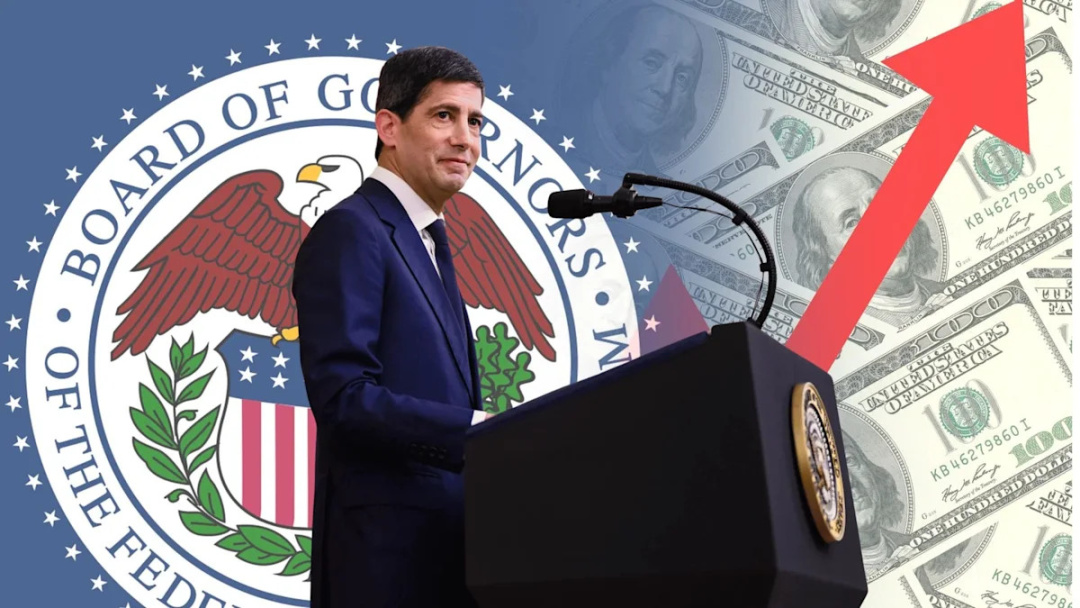
Kansas City Fed President Jeff Schmid recently expressed concerns about persistent inflation, describing current interest rates as accommodative during an interview at Jackson Hole. He noted that inflation is still "stubborn and sticky," with the headline Personal Consumption Expenditures (PCE) index running at 3.7% year-over-year in July, significantly above the Federal Reserve's target of 2%. Schmid's remarks indicate a notable shift from his previous stance, where he advocated for a more aggressive rate policy. He now suggests that the Fed's current policy is more accommodating than restrictive, signaling a potential end to the tightening cycle despite ongoing inflationary pressures.
The Fed's core PCE index also reflects rising inflation, climbing from 3.05% in February to 3.34% in July. Schmid's comments highlight a contradiction in the Fed's approach, as he acknowledges the challenges of controlling inflation while maintaining an accommodative stance. He emphasized the need for inflation to trend down towards the 2% target, but without renewed tightening, inflation may remain elevated longer than previously anticipated.
Market Reading & Resources
Sponsor funding complete. Trade on.
Schmid pointed to the impact of technological advancements, particularly in artificial intelligence, as a significant driver of demand that complicates the Fed's ability to manage inflation. The Department of Energy has projected that data centers will account for a substantial portion of U.S. electrical demand by 2028, driven by AI-related activities. This increased demand has contributed to rising commodity prices and overall inflation.
The Fed's current policy rate has remained steady at 3.75% throughout the year, down from 4.5% in September 2025. Schmid's characterization of the policy as accommodative raises questions about the Fed's commitment to its inflation target. He noted that investment-driven inflation poses unique challenges, as it is often more durable and less responsive to rate hikes.
Consumer sentiment reflects the strain of rising prices, with the Michigan index indicating a decline in consumer confidence. The national average for a 12-month certificate of deposit (CD) is currently at 1.71%, which results in a negative real return when compared to the headline PCE rate of 3.7%. As inflation continues to outpace savings rates, consumers may find themselves in a precarious financial position.
Looking ahead, it remains to be seen whether Schmid's views will resonate with other Fed members and how upcoming PCE reports will influence monetary policy decisions. The Fed's next steps will be closely monitored as they navigate the complexities of inflation management in the current economic landscape.