Fed Chair Warsh Indicates Possible Rate Hikes Amid Persistent Inflation
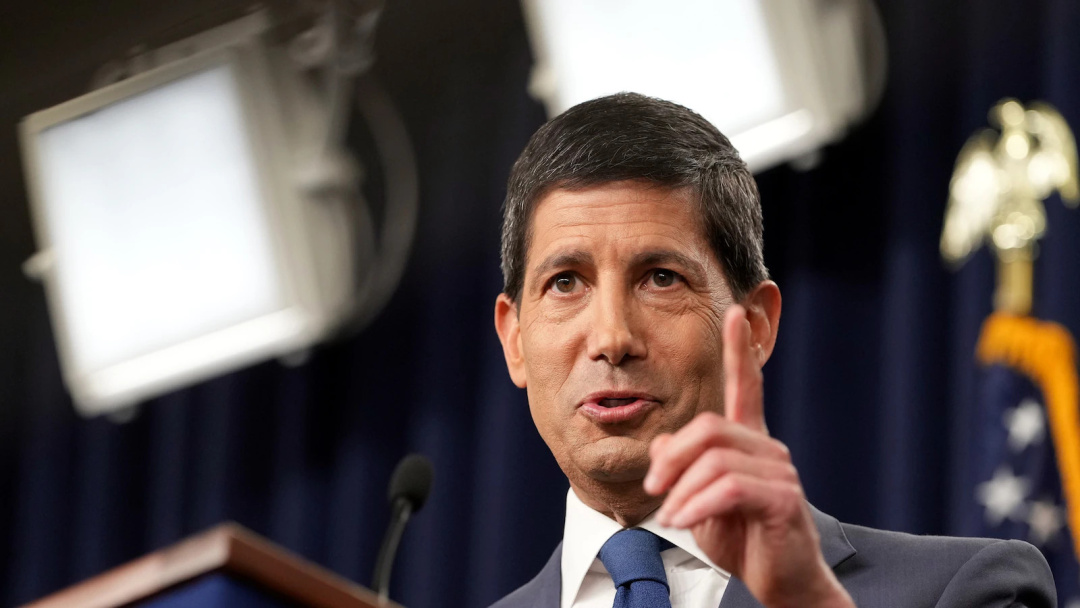
Federal Reserve Chair Kevin Warsh addressed the ongoing issue of inflation during his speech at the annual conference in Jackson Hole, Wyoming. He stated that inflation levels are still too elevated and hinted that the central bank might need to implement interest rate hikes in the near future to address this concern. This statement marks a more definitive stance than he has previously communicated regarding his economic outlook.
Warsh acknowledged that while recent U.S. data indicates a slight cooling in inflation, it does not suggest that the underlying trends have improved significantly. He emphasized the need for confidence that inflation is moving towards the Fed's target of 2% at a sufficient pace, stating, "Otherwise, we have work to do."
Market Reading & Resources
Sponsor funding complete. Trade on.
As the new Fed chair, having taken over from Jerome Powell on May 22, Warsh's remarks come at a critical time when Wall Street is closely monitoring the Fed's approach to combating inflation. His comments may have contributed to rising bond yields, which can increase borrowing costs across the economy. Warsh has expressed reluctance to provide specific guidance on future rate changes, arguing that doing so could limit the Fed's flexibility.
Despite his cautious approach to forward guidance, Warsh noted that current interest rates do not appear to be constraining economic activity. He pointed to strong business investment in artificial intelligence and infrastructure, as well as robust consumer spending, as indicators that the economy remains active. Typically, interest rates need to be sufficiently high to curb borrowing and spending to effectively manage inflation.
The Federal Reserve is scheduled to meet again on September 15-16, and while Warsh's comments do not necessarily indicate an imminent rate hike, they suggest that current rates may not be adequate to reduce inflation to the desired target. He expressed concern that inflation data is more troubling than job market trends, where unemployment remains low. Warsh highlighted that over the past year, a significant portion of goods and services tracked by the government experienced price increases of 3% or more, a figure that, while lower than during the pandemic peak, still exceeds historical norms.
Inflation showed signs of cooling in June and July after a spike in May, primarily due to rising gas prices, yet it continues to surpass the Fed's target. According to the Fed's preferred inflation measure, the rate was recorded at 3.7% in July.
Warsh clarified his stance on the tools available to the Fed, reiterating that short-term interest rates are the primary mechanism for controlling inflation. Previous Fed chairs have utilized speeches at Jackson Hole to address broader economic questions and signal potential policy shifts. In contrast, Warsh's predecessor, Powell, had indicated a willingness to raise rates sharply in response to soaring inflation, acknowledging the potential economic pain such actions could inflict.
Most analysts currently anticipate that the Fed will maintain its existing rates during the upcoming meeting, although market expectations suggest a possible rate hike by December. The scrutiny surrounding Warsh's approach has intensified, particularly in light of President Trump's calls for lower interest rates. Trump has defended Warsh but has criticized other Fed officials advocating for higher rates, while also attempting to remove Fed governor Lisa Cook, appointed by President Biden, to gain a majority on the board.
If Warsh can alleviate some of these concerns, it may lead to a slight decline in long-term interest rates, which have been rising due to various factors, including increasing U.S. government deficits and significant borrowing by tech companies investing in AI infrastructure. Recently, the yield on the 30-year Treasury bond reached its highest level in 19 years, prompting Treasury Secretary Scott Bessent to initiate bond buybacks to lower yields.