Calls for Federal Reserve Accountability Amid Political Pressures
The Federal Reserve, one of the most influential institutions in the world, plays a critical role in shaping the U.S. economy through its control over interest rates, inflation, and bank regulation. Its policies significantly impact the financial lives of Americans, often without their awareness. This has led to ongoing debates about whether the Fed is sufficiently accountable to the public and Congress.
Traditionally, the Fed's independence from political influence has been viewed as vital for its ability to manage inflation effectively. However, since the 2008 financial crisis, the Fed has expanded its activities, including increased private-sector lending and large-scale purchases of government securities. These changes have prompted calls for Congress to enhance oversight of the Fed's operations.
Market Reading & Resources
Sponsor funding complete. Trade on.
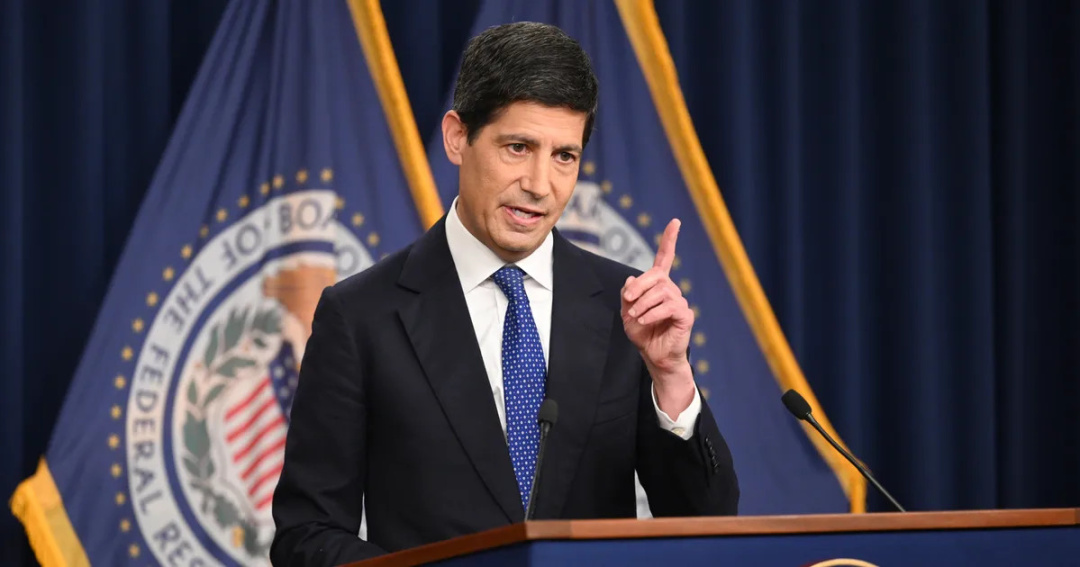
The situation is further complicated by political pressures, particularly from former President Donald Trump, who has consistently urged the Fed to lower interest rates and has attempted to remove a Fed governor. These dynamics present challenges for the new Fed Chair, Kevin Warsh, who is expected to address these issues at the upcoming Jackson Hole conference, a gathering of global finance and economic leaders.
Despite some efforts toward transparency, many Americans still view the Fed as a 'black box,' with its decision-making processes remaining largely opaque. Advocates for accountability argue that a more transparent Fed could bolster its independence by providing democratic legitimacy.
The debate over Fed accountability has historical roots, dating back to the 1978 Humphrey-Hawkins Act, which mandated that the Fed chair report to Congress twice a year. This act, along with the Federal Banking Agency Audit Act, aimed to establish oversight mechanisms, although significant aspects of the Fed's operations remain exempt from scrutiny.
Critics have pointed out that the Fed's unique structure, including its self-financing model and long terms for governors, creates a scenario of 'undersight' rather than effective oversight. The Fed's expanded role since the financial crisis has blurred the lines between monetary and fiscal policy, raising concerns about the implications of its actions on wealth distribution and economic stability.
As the Fed's balance sheet swelled to nearly $9 trillion during the pandemic, the need for greater scrutiny of its decisions has become more pressing. Some economists argue that the Fed's actions should be subject to retrospective evaluations to assess their effectiveness and risks.
The challenge lies in defining what accountability means without undermining the Fed's independence. Some experts advocate for more stringent oversight and transparency, while others caution against proposals that could lead to political interference in monetary policy.
Warsh's recent initiatives to reform Fed procedures and enhance communication may signal a shift towards greater accountability. As he prepares for his keynote address at Jackson Hole, the global community will be watching closely for insights into his vision for the Fed's future and its relationship with Congress and the public.