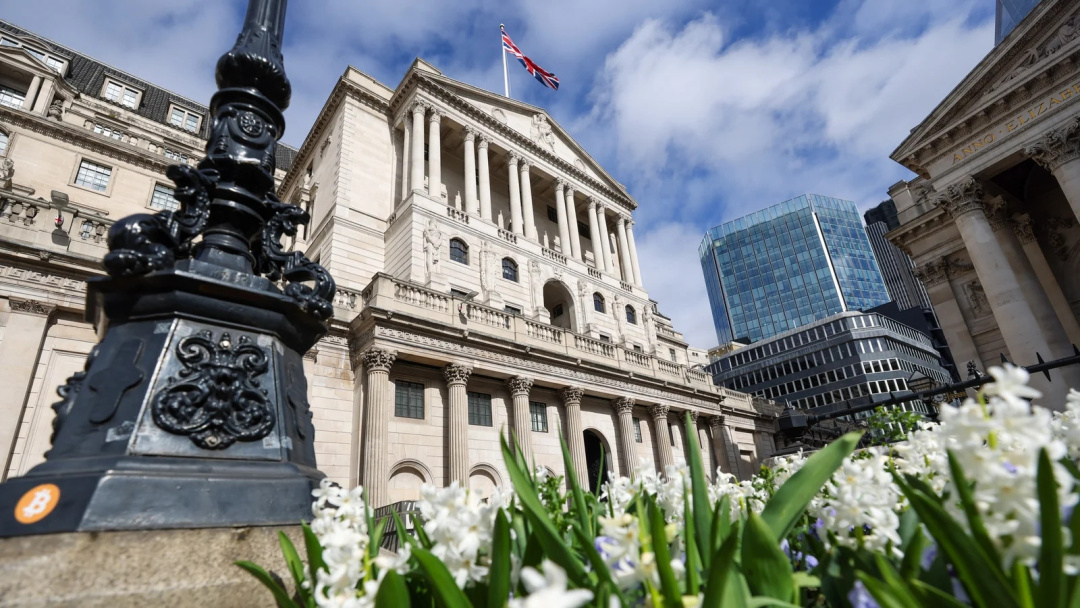
Impact of ECB Rate Hikes on Greece's Credit Expansion
Banks in Greece had initially planned for a net credit expansion of €12.5 billion this year, having already surpassed €8 billion in the first half. However, as the European Central Bank (ECB) signals potential interest rate hikes, these targets may be increasingly difficult to achieve. The 12-month Euribor, which indicates market expectations for borrowing costs, has risen from 2.2% to nearly 3% following geopolitical tensions, prompting concerns about the cost of borrowing.
In June, the ECB raised rates from 2% to 2.25%, with forecasts suggesting three additional hikes. A 25-basis-point increase could enhance the annual net interest income of Greece's four major banks by approximately €135 million. Yet, higher borrowing costs could lead to increased provisioning needs for banks if borrowers struggle to meet their obligations. This situation could also dampen demand for loans at a time when the economy is seeking new funding sources as Recovery Fund financing comes to an end.
Market Reading & Resources
Sponsor funding complete. Trade on.
Recovery Fund loans were previously offered at favorable rates, starting at 0.35% for small businesses and 1% for larger enterprises, covering a significant portion of investments. As access to these loans diminishes, new financing will need to be secured under commercial terms, potentially raising interest rates to between 5% and 6% when factoring in the Euribor spread.
The implications extend to the mortgage market, which has shown signs of recovery this year. In the first half, banks issued €1.5 billion in new mortgages, with a significant portion not linked to government programs. However, if the ECB continues with its rate hikes, the cost of new mortgages is expected to rise, impacting affordability for borrowers.
Currently, the average variable mortgage rate stands at 3.5%, translating to annual payments of €3,500 on a €100,000 loan. Should the ECB's rate increase from 2% to 3% be fully passed on, annual payments could jump to €4,500, marking a 28.6% increase. This potential rise in borrowing costs poses challenges for both consumers and banks as they navigate the changing economic landscape.