Asian Markets Rise Ahead of Fed Chair Kevin Warsh's Jackson Hole Speech
Asian equity markets saw a cautious rise on August 28 as investors positioned themselves ahead of Federal Reserve Chair Kevin Warsh’s keynote address at the Kansas City Fed’s annual Jackson Hole symposium. Gains were noted across major markets including Tokyo, Hong Kong, Shanghai, Sydney, Singapore, Jakarta, and Taipei, although the overall sentiment was one of careful anticipation rather than exuberant optimism.
The market had recently experienced a brief surge of excitement following Nvidia’s impressive earnings report, which showcased a significant revenue increase. However, this enthusiasm quickly subsided as traders shifted their focus back to the pressing question of the Federal Reserve's plans regarding inflation.
Market Reading & Resources
Sponsor funding complete. Trade on.
Since taking office in May, Warsh has adopted a notably reserved communication style, which has left markets eager for any signals regarding future policy. His scheduled address at 10 a.m. Eastern time was anticipated to carry considerable weight, given the current economic climate.
The context for Warsh's speech is particularly challenging, with U.S. inflation exceeding the Fed’s 2% target for 65 consecutive months. The personal consumption expenditures index rose by 0.2% month-over-month in July 2026. Notably, three members of the Federal Open Market Committee dissented during the July meeting, advocating for a rate hike instead of the hold favored by the majority.
Nvidia's recent earnings report revealed a staggering revenue of $96.2 billion for Q2 FY2027, marking a 106% increase compared to the same period last year, with net income more than doubling to $59.69 billion. This impressive performance, however, was overshadowed by the looming uncertainty surrounding interest rates.
As Asian markets approached the Friday session, the rally was evident but measured, with investors hesitant to make significant bets ahead of Warsh's address, which could potentially alter market expectations.
The implications of Warsh's speech extend beyond U.S. markets, impacting currency markets, sovereign debt pricing, and capital flows in emerging markets. Asian central banks closely monitor Fed decisions, as a stronger dollar—often a consequence of rising U.S. rates—can exert pressure on local currencies and increase the cost of servicing dollar-denominated debt.
The dissenting votes at the last FOMC meeting indicate that some policymakers believe the current interest rate levels may no longer be suitable given the prevailing inflation rates. Should Warsh align with this hawkish perspective, markets may need to quickly adjust their expectations for a potential rate hike at the next meeting.
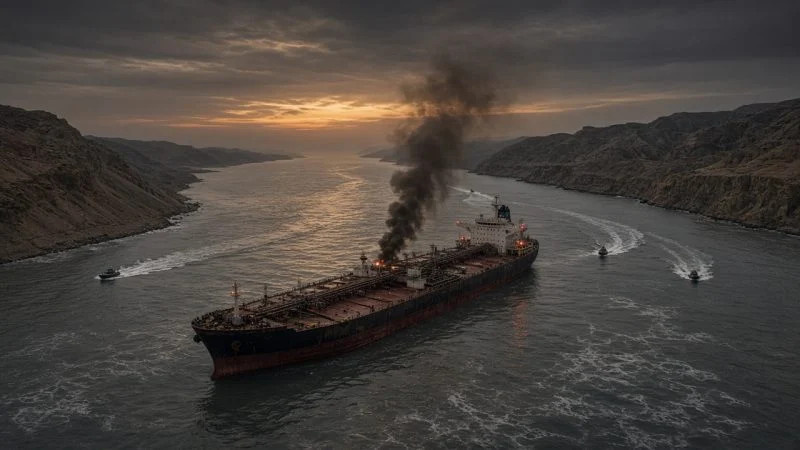
Additionally, ongoing instability in the Middle East adds complexity to the monetary policy landscape. Fluctuations in energy prices, sensitive to geopolitical events, directly influence inflation metrics that the Fed is striving to manage effectively.