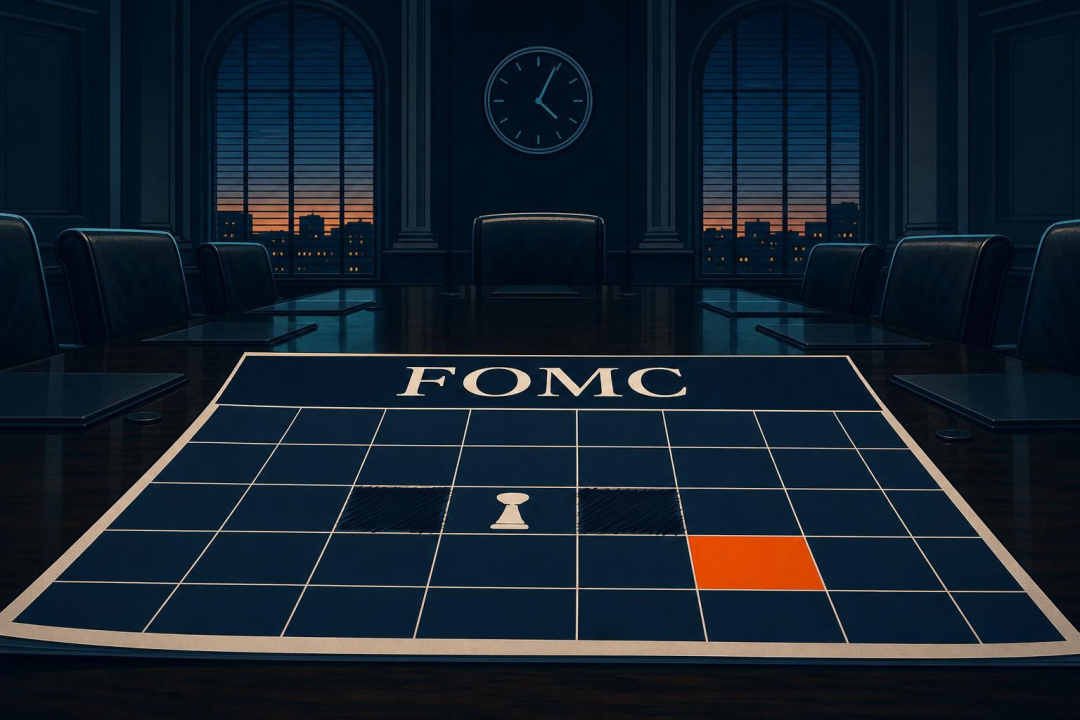
Market Reacts Negatively to Fed Chairman Kevin Warsh's Conference
The recent press conference held by Federal Reserve Chairman Kevin Warsh has led to significant turmoil in the stock market, with the Dow Jones Industrial Average plummeting by 1,152 points, marking a 2.18% decline. This sharp drop was not directly due to the decision to keep interest rates steady but rather the manner in which Warsh communicated his thoughts during the conference.
On July 29, the Federal Open Market Committee (FOMC) voted 9-3 to maintain the federal funds rate at 3.50% to 3.75%. However, the context of this decision is critical, as inflation has consistently exceeded the Fed's target of 2% for over five years. The dissenting votes from committee members Beth Hammack, Neel Kashkari, and Lorie Logan, who advocated for a 25-basis-point increase, highlight a growing faction within the Fed that is increasingly hawkish in response to persistent inflationary pressures.
Market Reading & Resources
Sponsor funding complete. Trade on.
Warsh characterized the internal disagreements as a "good family fight," but the lack of clarity in his communication style has raised concerns among investors. Analysts have pointed out that Warsh's minimalist approach to forward guidance leaves a credibility gap, as market participants are left to speculate on the Fed's future actions without clear direction.
The spike in the 30-year Treasury yield to its highest level since 2007 further illustrates the market's reaction, as investors adjust their expectations regarding inflation and potential future rate hikes. This increase in yields signifies higher borrowing costs for mortgages, corporate debt, and government financing, which could have broader implications for the economy.
Warsh is expected to address these issues further at the upcoming Jackson Hole Economic Symposium in late August, a venue where Fed chairs have historically signaled major policy shifts. The upcoming discussions will be closely watched as investors seek clarity on the Fed's stance amidst ongoing economic uncertainty.