Bitcoin and Gold: Analyzing Their Roles as Safe-Haven Assets
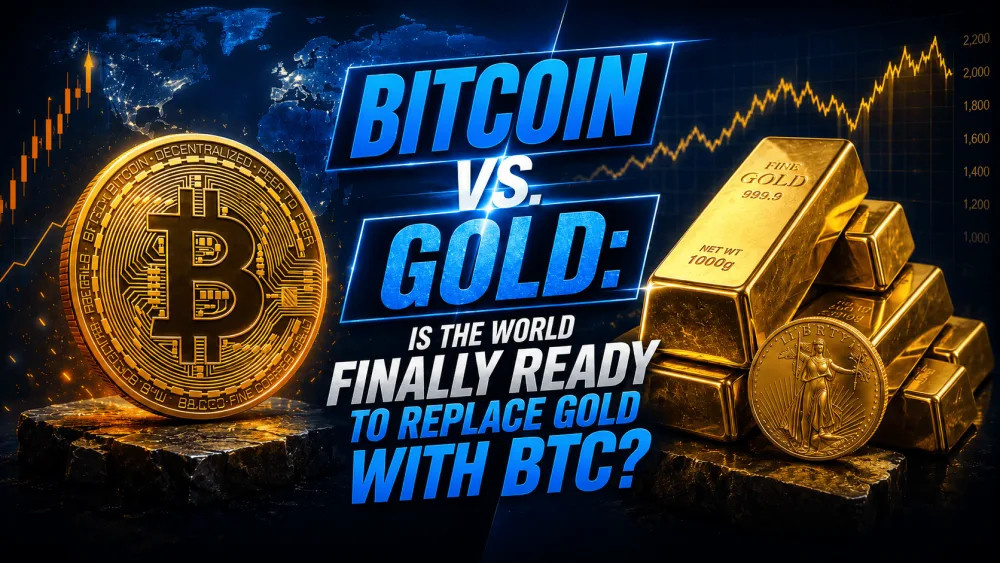
The discussion surrounding Bitcoin and gold has gained momentum as both assets attract investors seeking to diversify their portfolios amid economic uncertainty. In 2026, the debate has become particularly relevant due to Bitcoin's rising institutional adoption, which has expanded its role in diversified investment strategies. While gold continues to be recognized as a safe haven and reserve asset, Bitcoin's appeal lies in its unique advantages, including scarcity and portability.
Recent price movements have reignited interest in Bitcoin as a potential safe-haven asset, especially as it surpassed the $80,000 mark. Concurrently, gold has reached multi-year highs, indicating that investors are increasingly looking to both assets as a hedge against inflation and geopolitical risks. The simultaneous rise in both Bitcoin and gold prices suggests a growing perception of risk in the broader economy, prompting investors to consider holding multiple safe assets.
Market Reading & Resources
Sponsor funding complete. Trade on.
The debate centers on the long-term roles of cash and bonds in investment portfolios, with both Bitcoin and gold being classified as assets not directly issued by any central bank. This characteristic enhances their attractiveness during periods of monetary and political instability, as they are viewed as forms of 'outside money' that can mitigate exposure to central banks.
Bitcoin's advantages include a capped supply of 21 million tokens, which contrasts with gold that must be mined. This scarcity positions Bitcoin as an appealing inflation hedge, particularly over the long term. However, gold retains a significant advantage in terms of market value and liquidity, which is crucial during times of crisis. Bitcoin's volatility presents challenges for investors, as it is more susceptible to sharp price fluctuations compared to gold, which has historically demonstrated greater stability.
In terms of portability, Bitcoin outperforms gold, allowing for easier and quicker transactions without the logistical challenges associated with physical gold. This aspect is especially relevant as Bitcoin becomes more integrated into the global economy. However, gold's intrinsic value and historical reliability as a reserve asset cannot be overlooked, as it has been a trusted store of value for centuries, particularly during economic downturns.
The geopolitical crisis of 2026 highlighted the differences between the two assets, with gold proving to be a safer investment during turbulent times, while Bitcoin experienced significant volatility. Despite this, Bitcoin's recovery post-crisis indicates its potential as a long-term asset.
Both Bitcoin and gold serve as inflation hedges, but their effectiveness varies. Gold has a proven track record, while Bitcoin's supply model offers potential advantages that could enhance its value retention over time. The recent inflows into Bitcoin ETFs signal a shift in institutional perception, suggesting that Bitcoin is increasingly being recognized as a legitimate asset class.
While gold currently holds a dominant position as a reserve asset, Bitcoin's growth potential and unique characteristics make it a compelling alternative for investors. The future of the Bitcoin versus gold debate may not hinge on one asset replacing the other, but rather on their coexistence within diversified portfolios, each offering distinct benefits to investors.