Kevin Warsh Addresses Evolving Market Dynamics at Jackson Hole Symposium
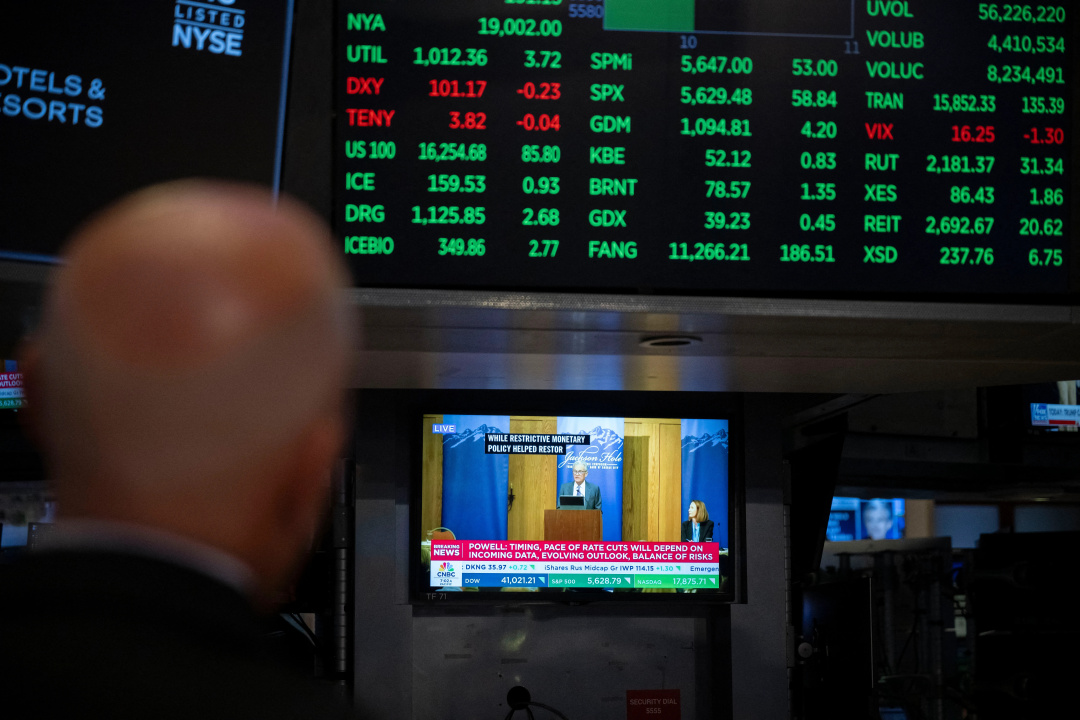
Kevin Warsh delivered his inaugural address as chair of the Federal Reserve at the Jackson Hole Economic Symposium, a prestigious event known for its intimate setting and thoughtful discussions. This year, however, the context of his speech is markedly different due to the rise of 24-hour trading and automated systems that interpret financial language. Traditionally, the Fed's communications were aimed at a human audience that would take time to digest and react to statements. Now, with markets that never close, the immediacy of responses to Warsh's words could lead to significant volatility.
The symposium, held in the serene surroundings of Grand Teton National Park, is a stark contrast to the fast-paced financial environment that now exists. Warsh's words will be parsed not only by human analysts but also by automated trading systems that react in real time. This shift means that the time for careful consideration of his statements has diminished, raising concerns about how nuanced communication can be effectively conveyed.
Market Reading & Resources
Sponsor funding complete. Trade on.
The implications of this change are profound. On one hand, the speed of market reactions can amplify the importance of central bank communications, making every word potentially impactful. On the other hand, the rapid interpretation by machines can lead to misinterpretations and unintended consequences, as automated systems may not grasp the subtleties of language.
As tokenized trading continues to grow, with projections suggesting it could account for a significant portion of market activity in the coming years, the Fed's communication strategy must evolve. This includes clearer messaging that accounts for the immediate nature of modern trading environments.
Despite these challenges, the Jackson Hole symposium remains a vital forum for discussing monetary policy. Warsh's address will be crucial as it sets the tone for how the Federal Reserve navigates this new landscape, where the audience includes not just human investors but also sophisticated algorithms that operate around the clock. The need for adaptation in communication strategies is clear, as the financial system increasingly operates without the traditional constraints of time and human interpretation.