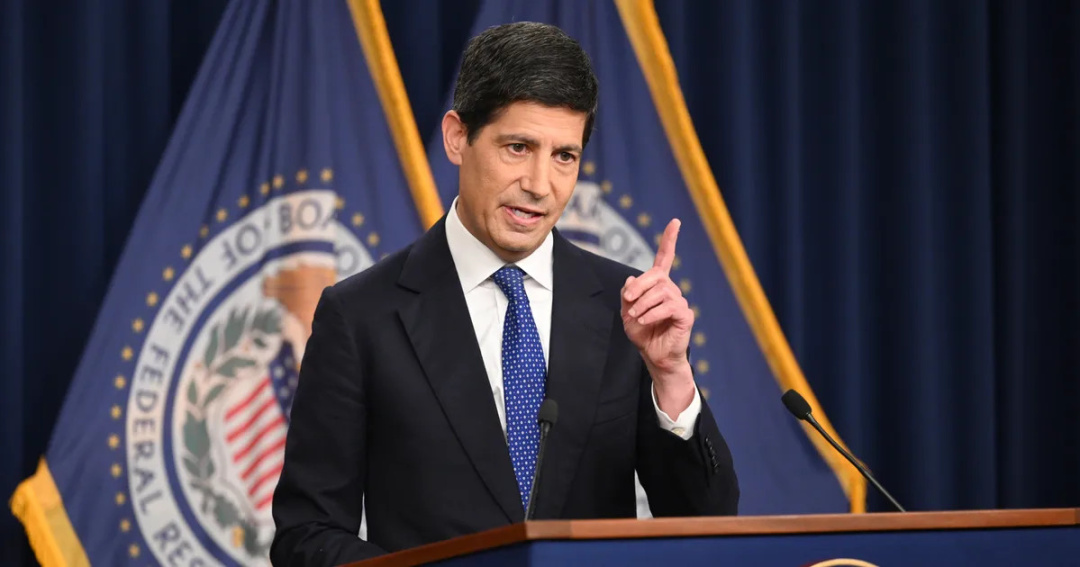
Cleveland Fed President Hammack Advocates for Central Bank Independence

Beth Hammack, President of the Federal Reserve Bank of Cleveland, has been vocal about the necessity for the Federal Reserve to operate independently from the Treasury Department. In her recent addresses, she has drawn a clear distinction between the monetary policy objectives of the Fed and the fiscal goals of the Treasury, warning that a loss of independence could lead to increased inflation.
Hammack emphasized that the Federal Reserve has two primary responsibilities assigned by Congress: to maintain high employment and to ensure price stability. In contrast, the Treasury is tasked with managing the government's finances, including its borrowing and debt structuring.
Market Reading & Resources
Sponsor funding complete. Trade on.
Throughout her tenure, Hammack has consistently highlighted a global trend where central banks with diminished independence from their governments tend to oversee higher inflation rates. This argument was notably presented in her February 2026 speech titled "Recipe for a Thriving US Economy."
The principle of maintaining a separation between the Fed and the Treasury is not a new concept. It was formalized in 1951 with the Treasury-Fed Accord, a significant agreement that reshaped the American economic landscape. Prior to this accord, the Fed was compelled to keep interest rates artificially low to assist the government in financing its debts from World War II and the Korean War. The 1951 agreement restored the Fed's autonomy to set monetary policy based on prevailing economic conditions rather than the government's borrowing requirements.
Since taking office in August 2024, Hammack has faced the challenge of navigating persistent inflation that has remained above the Fed's 2% target. She warns that if the Fed were to compromise its independence and cater to the Treasury's borrowing needs, it could result in long-term interest rates incorporating a higher inflation premium. Such a shift would have widespread repercussions across various sectors of fixed income, affecting everything from Treasuries to corporate debt and mortgage-backed securities.
Hammack continues to reference empirical data to support her position, asserting that a correlation exists between reduced independence and increased inflation. The historical context of the 1951 accord serves as a reminder of the importance of the Fed's autonomy in achieving its economic objectives.