Federal Reserve Officials Express Inflation Concerns at Jackson Hole Symposium
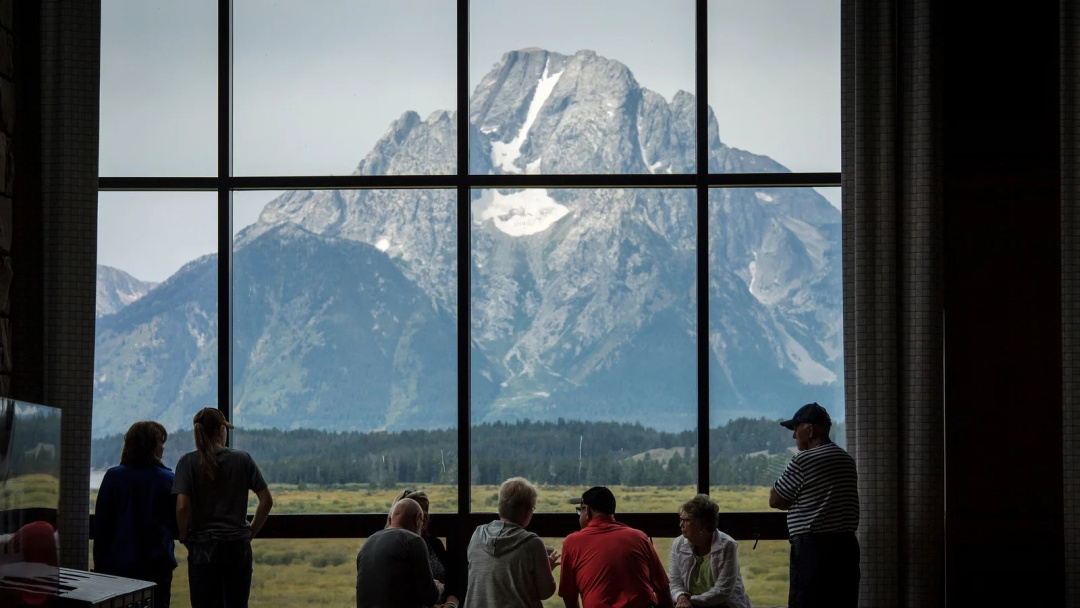
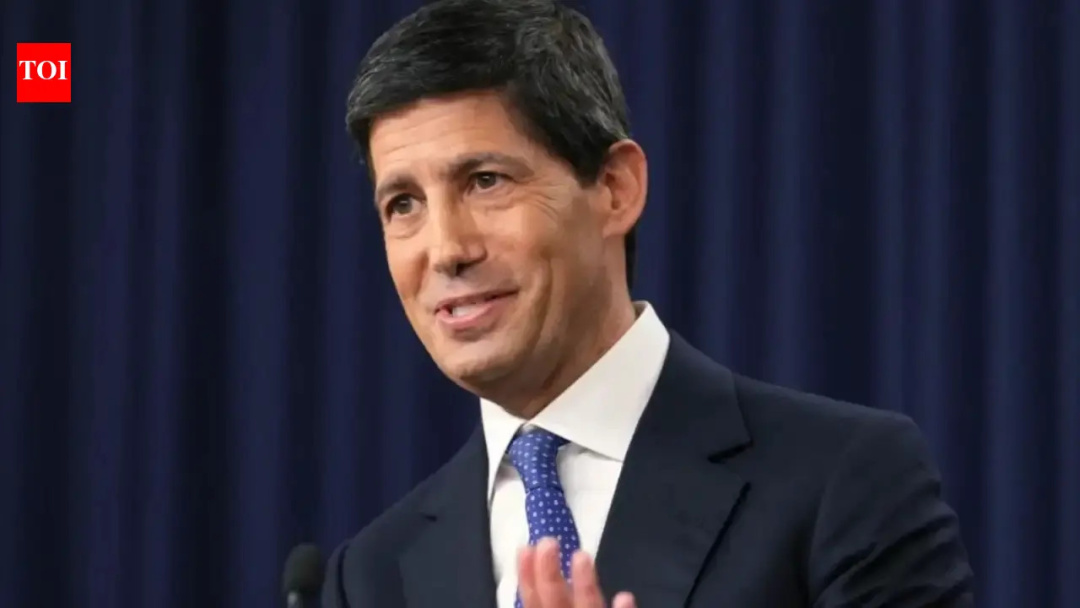
At the Kansas City Fed's annual economic symposium in Jackson Hole, Wyoming, two Federal Reserve officials expressed their concerns regarding the persistent inflation in the United States. Kansas City Fed President Jeffrey Schmid stated that inflation remains stubborn and sticky, urging the need for continued efforts to bring it back to the Fed's target of 2%. He remarked that the current policy rate of 3.5%-3.75% does not seem restrictive enough to combat inflation effectively.
Schmid, who has previously supported raising rates to control inflation, indicated that he still favors such measures, as he believes current monetary policy is insufficient to address ongoing price pressures. However, he also noted the necessity of gathering more information about demand factors influencing both growth and inflation before making decisions regarding potential rate hikes at the upcoming September policy meeting.
Market Reading & Resources
Sponsor funding complete. Trade on.
Chicago Fed President Austan Goolsbee described the inflationary environment as disturbing, emphasizing that the public should remain vigilant. He expressed concern that if inflation rises again, it could become increasingly difficult to manage. Goolsbee pointed to external factors, such as rising energy costs linked to geopolitical tensions and fluctuating tariffs, as contributing to the inflationary pressures affecting households.
Despite these concerns, Goolsbee acknowledged that recent inflation trends over the past three months do not appear alarming. He suggested that the Fed's policy rate could be adjusted downward if inflation trends indicate a return to the 2% target. He advised industries sensitive to interest rates to closely monitor economic data rather than solely relying on market speculation about monetary policy.
The comments from Schmid and Goolsbee follow the recent report from the US government indicating that the Personal Consumption Expenditures Price Index, the Fed's primary inflation measure, stood at 3.7% for the year ending in July. This figure matches the previous month's rate but is a decrease from the 4.1% increase recorded in May. Economists have varied opinions on the implications of this data, with some advocating for a rate hike in the near future while others suggest maintaining a cautious approach.
Futures markets currently reflect skepticism regarding an immediate rate increase, although there are strong expectations for such a move by the end of 2026. Fed Chairman Kevin Warsh is scheduled to speak at the Jackson Hole event, with many anticipating insights into the Fed's policy direction. However, expectations are tempered by Warsh's reluctance to provide definitive guidance on future rate decisions amid ongoing controversies surrounding the Fed's operations.
In recent weeks, several Fed officials have indicated that rate hikes may be necessary to tackle inflation, or at least have shown openness to this strategy. Goolsbee also highlighted the impact of political criticism directed at the Fed, recalling the contentious relationship between the central bank and the Trump administration. He warned that political interference in monetary policy could lead to a resurgence of inflation, emphasizing the importance of maintaining the Fed's independence in decision-making.