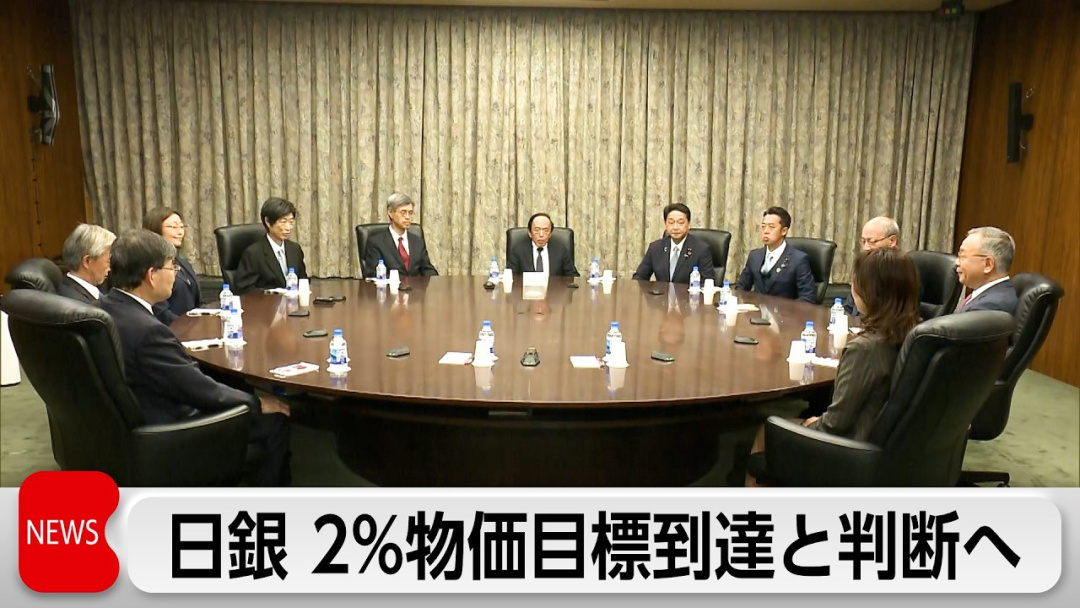
Bank of Japan Deputy Governor Advocates Timely Rate Hike Amid Inflation

Bank of Japan Deputy Governor Ryozo Himino recently addressed the need for timely interest rate increases to manage inflation risks effectively. Speaking in Saitama on August 27, he highlighted the importance of preventing inflation from surpassing the BOJ's target of 2%. This statement has prompted traders to adjust their expectations, with overnight index swaps now indicating an 85-90% likelihood of a rate hike during the BOJ's policy meeting scheduled for September 17-18.
Currently, the policy rate stands at 1%, following an increase from 0.75% in June. Should the BOJ implement another hike in September, it would signify a continued shift away from the prolonged period of ultra-loose monetary policy that Japan has experienced. Himino's comments come as Japan's core Consumer Price Index for July rose by 1.8% year-over-year, marking the fastest increase since January. The persistent weakness of the yen has also contributed to rising import costs, compounded by escalating energy prices due to geopolitical tensions in the Middle East.
Market Reading & Resources
Sponsor funding complete. Trade on.
While Himino did not explicitly endorse a September rate hike, he called for thorough discussions at each policy meeting regarding the pace of monetary tightening. His emphasis on the risk of inflation overshooting represents a significant philosophical shift for a central bank that has spent years striving to generate inflation. The BOJ maintained negative interest rates from 2016 until early 2024, when it finally concluded that policy.
The gradual transition from negative rates to the current 1% policy rate has been carefully managed to avoid unsettling the markets. Some economists are now predicting a potential terminal rate of approximately 1.75%. The bond markets are also under pressure, as Japanese government bonds adjust to the new rate environment. If the BOJ proceeds with a rate hike, yields are expected to rise, potentially leading to repatriation flows from Japanese investors, who are significant holders of foreign bonds, particularly U.S. Treasuries. Additionally, carry trades involving the yen remain sensitive to changes in rate differentials, highlighting the interconnectedness of Japan's monetary policy with global financial markets.