Kevin Warsh Faces Pressure to Clarify Inflation Strategy as Fed Chair
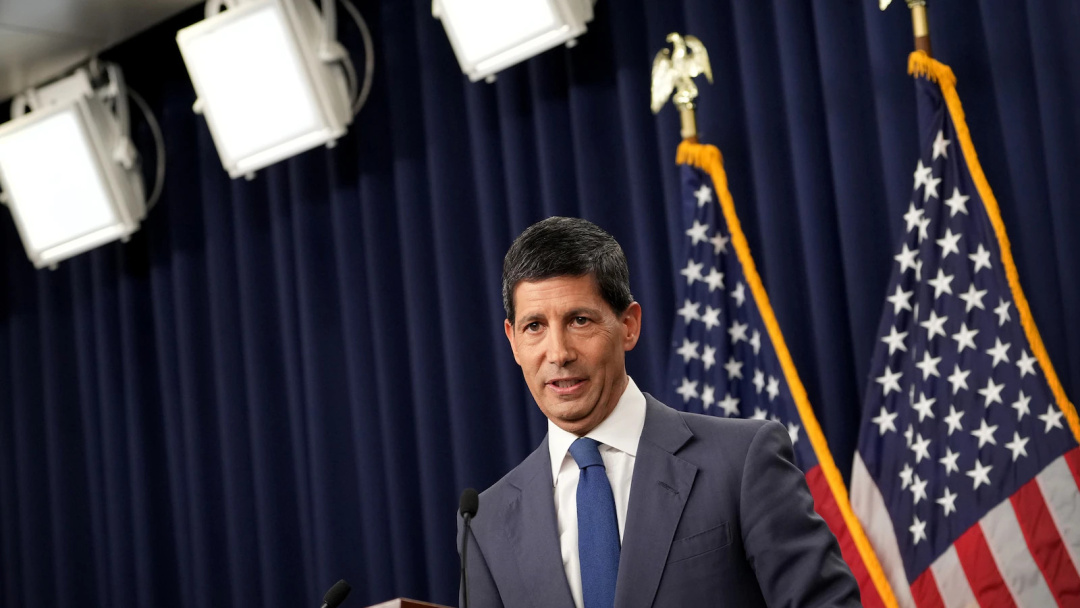
Kevin Warsh, who recently took over as chair of the Federal Reserve, has significantly changed how the central bank communicates, opting for a more reserved approach compared to his predecessors. This shift has not been well received by many economists and Wall Street investors, who are seeking clearer guidance on the Fed's strategies for addressing ongoing inflation concerns.
Warsh is set to speak at the Fed's annual economic symposium in Jackson Hole, Wyoming, where he has a critical opportunity to address these concerns and affirm his commitment to combating inflation. His previous press conference raised more questions than answers, as he avoided committing to whether the Fed would raise its benchmark interest rate in response to high inflation.
Market Reading & Resources
Sponsor funding complete. Trade on.
He has expressed reluctance to provide what analysts refer to as "forward guidance," arguing that such commitments could restrict the Fed's flexibility. However, some economists believe he could offer more insight into his policy framework without revealing specific future actions.
David Wilcox, a senior fellow at the Peterson Institute for International Economics, emphasized the need for Warsh to clarify his conceptual approach to monetary policy. The uncertainty surrounding Warsh's communication has heightened as inflation remains above the Fed's 2% target, despite a recent cooling trend.
The public's perception of inflation, particularly regarding essential goods like gas and groceries, continues to be a pressing issue as the midterm elections approach. Interest rates have already risen following Warsh's last public remarks, which contributed to increased mortgage borrowing costs.
Warsh's comments about inflation have been vague, leaving many to speculate about his views on underlying inflation trends. He has indicated that any central banker would be inclined to raise rates if they observe inflation rising, but he has not clarified whether he believes this is currently the case.
The political landscape adds another layer of complexity, with President Donald Trump advocating for lower interest rates while also supporting Warsh's appointment. Trump's criticism of other Fed officials for their rate policies has further complicated the Fed's credibility.
Economists argue that a straightforward statement from Warsh regarding how the Fed might respond to persistent inflation could alleviate market concerns. As Warsh prepares to address these issues in his upcoming speech, analysts are hopeful that he can provide the clarity needed to stabilize market expectations and potentially lower long-term interest rates.