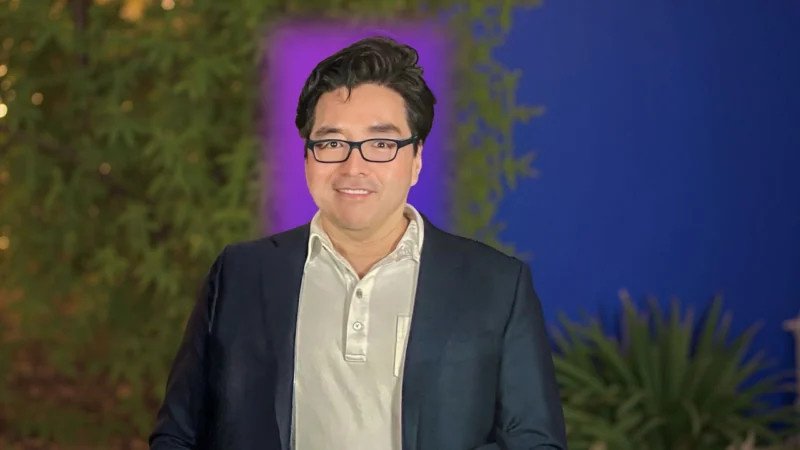
Kevin Warsh's Jackson Hole Speech: Key Economic Questions Ahead
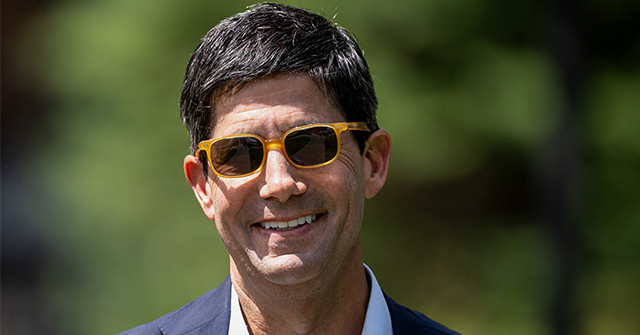
Kevin Warsh, the new chair of the Federal Reserve, is preparing for his speech at the Jackson Hole Economic Symposium, where he is expected to tackle important economic questions. Rather than merely previewing the upcoming Fed meeting, Warsh intends to discuss broader themes such as productivity, demographics, and the global economy's response to various shocks.
During a recent press conference, Warsh expressed his desire to frame these significant questions, highlighting his long-standing concerns about the Fed's focus on aggregate demand at the expense of understanding the economy's productive capacity. He described the current economic landscape as a "race between supply and demand," emphasizing the need for the Fed to better infer supply and productivity metrics.
Market Reading & Resources
Sponsor funding complete. Trade on.
The Jackson Hole event presents Warsh with a unique platform to articulate his views on the economy's functioning. He is likely to resist pressures to provide forward guidance regarding interest rates, instead using the opportunity to assert his independence from both political and market pressures.
A key aspect of Warsh's address may involve the challenges posed by artificial intelligence. He has noted that while AI is expected to enhance productivity and wealth in the long run, it also presents immediate demand effects that complicate the assessment of supply and demand dynamics. The construction of data centers and semiconductor plants is currently driving up spending and prices, but the anticipated productivity gains from these investments may take time to materialize.
Warsh has acknowledged that many businesses are not yet experiencing the productivity boosts they had hoped for, suggesting that the learning curve associated with AI could hinder short-term productivity gains. He views AI as a transformative technological change but recognizes the potential disruptions it may cause in the labor market.
In addition to AI, Warsh will likely address demographic trends that impact economic growth. With a declining immigration rate and an aging population, the growth of the workforce is slowing, necessitating fewer new jobs to maintain stable unemployment levels. This situation complicates the interpretation of weak payroll growth alongside low unemployment and strong business investment.
Warsh's nuanced understanding of inflation will also be a focal point of his speech. He differentiates between temporary price changes due to external shocks and persistent inflationary pressures. The Fed's challenge lies in determining whether current price increases are temporary or indicative of lasting inflation trends.
Overall, Warsh's speech at Jackson Hole is expected to provide insights into his economic framework and the questions the Fed will consider moving forward. While he may not announce specific policy decisions for September, his address will likely clarify how he interprets the current economic landscape and its implications for future Fed actions.