US Inflation Stays Elevated in July, Raising Interest Rate Speculations
Inflation in the United States continues to remain elevated, staying well above the Federal Reserve's target of 2 percent for the 65th consecutive month. The latest data from the Bureau of Economic Analysis indicates that the Personal Consumption Expenditures (PCE) Price Index was recorded at 3.7 percent for the 12 months ending in July, unchanged from June. This figure was slightly above economists' expectations, who had predicted a reading of 3.6 percent.
The month-over-month inflation rate also exceeded forecasts, coming in at 0.2 percent after a decline of 0.1 percent in June, which marked the weakest reading since April 2020. Economists had anticipated a more modest increase of 0.1 percent for July. Excluding volatile food and energy prices, the core PCE remained steady at 3.3 percent year-over-year, with a slight rise to 0.2 percent month-over-month, up from 0.1 percent in June.
Market Reading & Resources
Sponsor funding complete. Trade on.
This data has led to increased speculation that the Federal Reserve may consider raising interest rates as early as next month. Following the report, futures prices for Fed funds indicated a 42 percent probability of a rate hike during the central bank's meeting scheduled for September 15-16, compared to 36 percent prior to the release of the data.
Omair Sharif, founder of the forecasting firm Inflation Insights, noted that the current data supports the case for a rate increase. The inflation situation has deteriorated since the onset of conflict involving the US and Israel's actions against Iran, which began in late February when inflation was at 2.9 percent. The annual PCE reached a three-year high of 4.1 percent in May, driven by surging energy prices that disrupted approximately 20 percent of global oil supplies.
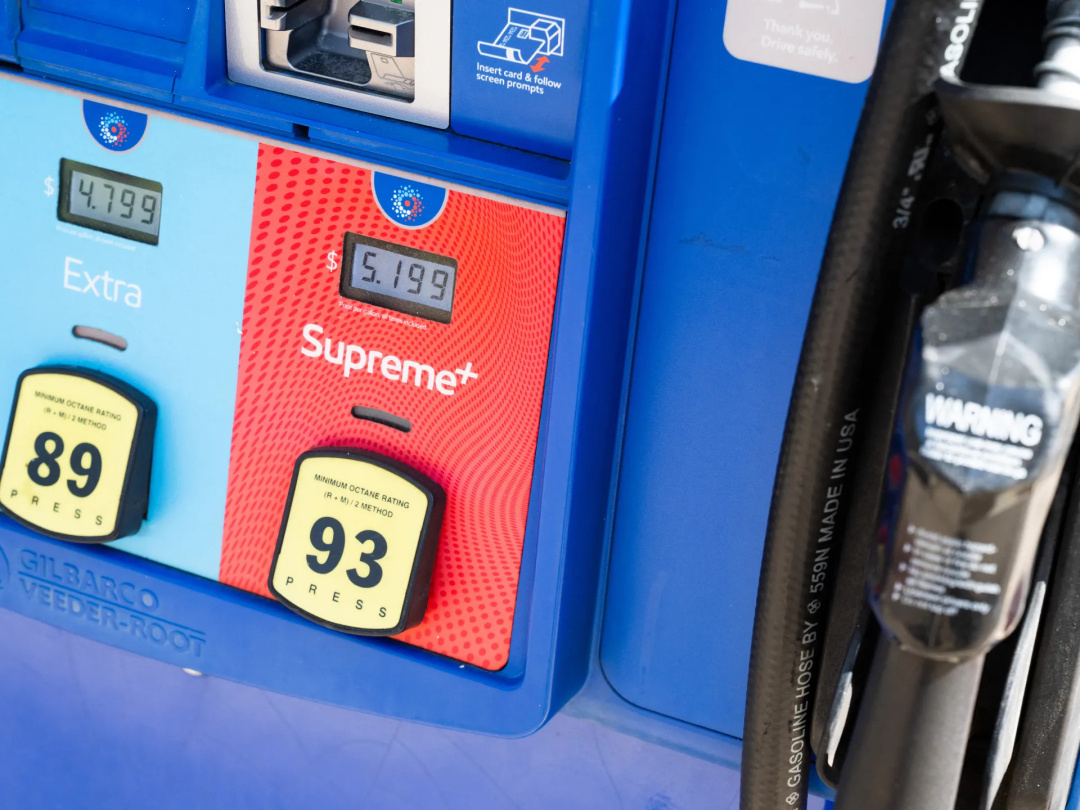
Despite a decrease in oil prices from their mid-spring peaks, consumer sentiment remains low, with many Americans feeling pessimistic about the economy. The data shows that inflation-adjusted incomes have only increased by 0.2 percent compared to a year ago, following several months of declines. Additionally, petrol prices have risen again, averaging $4.10 per gallon nationally, which is likely to contribute to inflation in the upcoming August figures.
New trade tensions are also expected to exert additional pressure on inflation, as negotiations between the US and Canada recently collapsed, leading to new tariffs on $20 billion worth of Canadian goods. Both countries have announced further retaliatory measures that could take effect in the coming months unless a resolution is reached.