US Stocks Slip as Investors Anticipate Nvidia Earnings and Inflation Data
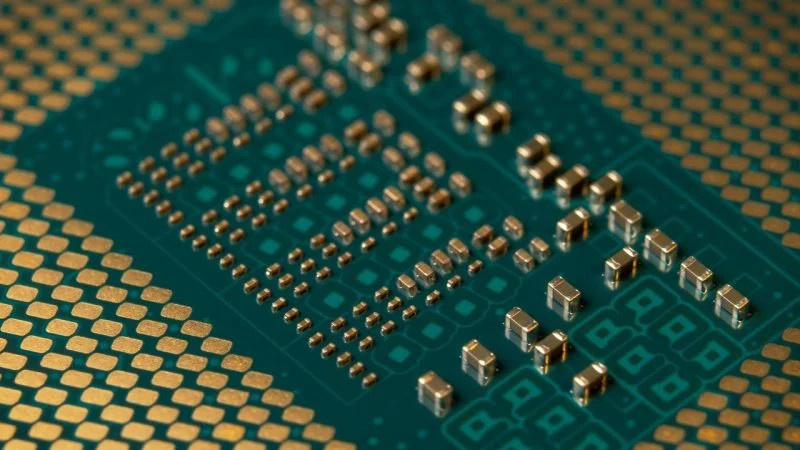
US equities slipped on Wednesday as investors found themselves caught between Nvidia’s highly anticipated earnings report and a fresh inflation reading. The S&P 500 and Nasdaq both drifted lower in a session defined more by what hadn’t happened yet than by what had. Nvidia shares dipped roughly 0.4% in early trading ahead of its fiscal Q2 2027 results, scheduled for release after the closing bell.
The July Personal Consumption Expenditures report showed headline inflation holding steady at 3.7% year-over-year, a touch above the 3.6% consensus estimate. Core PCE, which strips out food and energy, came in unchanged at 3.3%. These sticky readings shifted rate expectations in a hawkish direction, with futures contracts now pricing in a 42% to 44% probability of a rate hike at the Fed’s September meeting, up from earlier estimates.
Market Reading & Resources
Sponsor funding complete. Trade on.
Second-quarter GDP growth was confirmed at an annualized rate of 1.5%. Analysts expected the chipmaker to report approximately $92 billion in quarterly revenue, representing a 96% increase compared to the same period last year. Nvidia’s dominance in AI chips, particularly its GPU architecture powering data centers worldwide, has made it the single most important earnings report on Wall Street’s calendar.
Despite Nvidia’s pre-market wobble, the broader tech sector showed modest resilience. Corporate earnings across technology companies linked to artificial intelligence have generally held up well, creating a dynamic where sector strength and inflation anxiety coexist. A September rate hike would raise the discount rate investors use to value future earnings, and growth stocks trading at elevated multiples due to AI enthusiasm tend to be the most sensitive to this dynamic.
The current probability of a September hike suggests markets are genuinely uncertain about the Fed’s next move. Nvidia’s results will likely set the tone for tech sentiment heading into September, while the inflation trajectory will shape expectations around monetary policy.