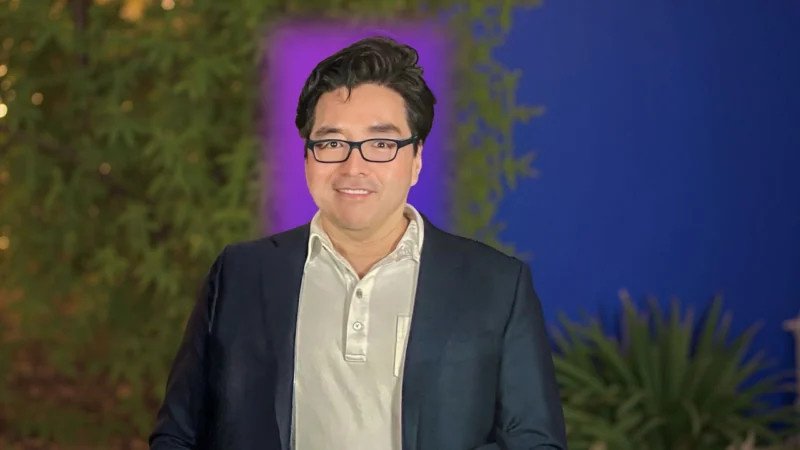
Kevin Warsh Addresses Inflation and Bond Yields at Jackson Hole Symposium
Federal Reserve Chair Kevin Warsh delivered his inaugural address at the Jackson Hole Economic Policy Symposium, focusing on the pressing issues of rising bond yields and persistent inflation. As he took the stage, 30-year Treasury yields had surpassed 5.2%, and inflation had remained above the Federal Reserve's target for more than five consecutive years, highlighting the challenges he faces in restoring confidence in the central bank's monetary policy.
Sworn in as Fed Chair in May 2026, Warsh inherited a complex monetary policy landscape characterized by long-term borrowing costs at multi-decade highs. The federal funds rate is currently set in a target range of 3.5% to 3.75%, a level that many in the market view as inadequate to effectively combat inflation.
Market Reading & Resources
Sponsor funding complete. Trade on.
The recent Federal Open Market Committee (FOMC) meeting saw dissent from three officials who favored a rate hike, indicating significant internal disagreement regarding the Fed's pace of action. This dissent was notable enough to attract market attention, with Warsh's perceived dovish stance drawing criticism shortly after he assumed his role.
The theme of this year's symposium, "Financial Innovation: Implications for Payments and Policy," provided Warsh with a platform to discuss long-term structural issues rather than immediate rate decisions. While the central bank has maintained steady rates, the U.S. Treasury has taken independent actions, including bond buybacks announced by Treasury Secretary Scott Bessent, aimed at lowering long-term yields by reducing market duration.
Warsh has indicated a shift towards a performance-oriented approach to inflation, suggesting that the Fed will respond to economic data rather than providing forward guidance about future policy moves. This marks a departure from the strategies employed by his predecessors in the post-2008 era.
Recent economic data has tempered expectations for a rate hike in September, which means that a non-committal speech from Warsh could be interpreted as a sign that the Fed is lagging behind in its response to inflationary pressures.
Historically, Jackson Hole has been a significant venue for Fed chairs to announce pivotal policy shifts. Previous chairs have used this platform to signal major changes, such as quantitative easing or gradual normalization of rates. In contrast, Warsh's address is less about defending a completed policy cycle and more about establishing his credibility in a market that is uncertain about his approach and skeptical of the Fed's inflation management.
As Warsh navigates these challenges, he must reassure both the markets and the public that the Federal Reserve is equipped to handle the current economic landscape, which has seen the Treasury move into areas previously dominated by the central bank.