IMF Chief Calls Global Economy 'Storm-Tossed' Amid Inflation and AI
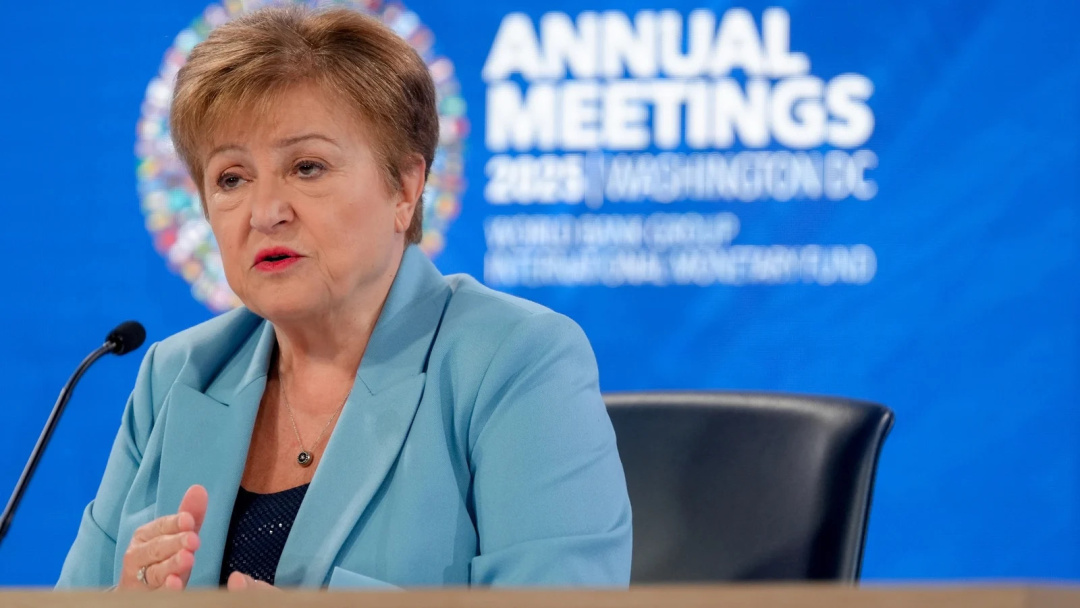
Kristalina Georgieva, the chief of the International Monetary Fund (IMF), has characterized the global economy as a 'storm-tossed vessel' navigating through high inflation, escalating debt, and trade wars, while also being propelled by the positive influences of the AI revolution. Speaking to journalists in Washington, Georgieva noted that the global economy has managed to withstand the energy crisis triggered by the recent conflict in the Middle East better than initially anticipated.
The surge in global energy prices has been significant since the onset of hostilities involving the US and Israel against Iran, which has led to increased tensions in the region and disruptions in the vital Strait of Hormuz. In July, the IMF revised its global growth forecast downward for the second time this year, citing the uncertainties and risks associated with the ongoing conflict.
Market Reading & Resources
Sponsor funding complete. Trade on.
According to the IMF, global economic growth is projected at 3% for the year, a decrease from the 3.1% forecast made in April. Georgieva pointed out that the impact of the Middle Eastern conflict has been uneven, depending on each country's reliance on Gulf oil imports and their overall economic stability.
High energy prices have contributed to global inflation, which is being influenced by a 'tug of war' between inflationary pressures and the positive demand shock resulting from AI investments. Georgieva remarked that while the risks to the economic outlook have become more balanced since the IMF's Spring Meetings, they still lean towards the downside, with high levels of uncertainty persisting.
As winter approaches in the northern hemisphere, Georgieva cautioned that energy demand is expected to rise, potentially leading to another increase in prices. She emphasized that the energy crisis is far from over, and a further spike in oil prices could exacerbate inflation, compelling central banks to maintain restrictive monetary policies, which would have repercussions on debt servicing and overall economic activity.
Despite these challenges, Georgieva expressed optimism regarding the broader impact of AI on the global economy, noting that positive effects are being observed in more countries beyond the United States, which currently leads in AI technology. However, she also acknowledged the significant uncertainties surrounding AI and warned that developing countries face the greatest risks of falling behind in this technological advancement.
While the global economy has shown more resilience than feared in response to the shocks from the Iran conflict, Georgieva stressed that there is no room for complacency. She urged nations to address fiscal imbalances, particularly concerning debt, and called on central banks to remain vigilant in their fight against inflation.