US Expands Sanctions on Iran, Targeting Key Economic Sectors
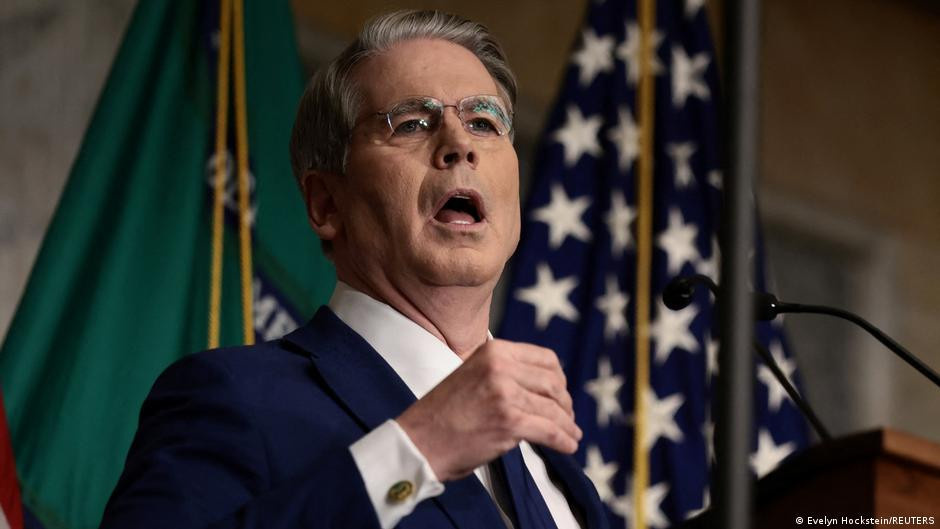
US Treasury Secretary Scott Bessent has introduced a new phase in the United States' economic campaign against Iran, targeting not only sanctioned Iranian institutions but also the international networks that facilitate the movement of money and goods for Tehran. On August 24, Bessent announced that the US would focus on five critical economic lifelines: digital assets, technology, gold, aviation, and shipping. He warned foreign entities that assist Iran in illicit financial activities would face consequences, stating, "Any entity that facilitates money laundering for Iran will be removed from the US dollar-based financial system. The countdown starts now."
This strategy represents a shift towards tightening secondary sanctions, aiming to exert pressure on companies, financial intermediaries, and trading partners outside Iran, rather than merely imposing additional restrictions on an already heavily sanctioned economy. The US has targeted approximately 60 individuals, entities, and vessels, but notably refrained from sanctioning major Chinese banks, indicating the limitations of US enforcement against Iran's primary trading partner.
Market Reading & Resources
Sponsor funding complete. Trade on.
For years, Iran has relied on informal networks to navigate around sanctions, utilizing exchange houses, gold, cryptocurrency, front companies, and opaque shipping routes. The latest US strategy seeks to complicate these methods by increasing costs for foreign intermediaries, coinciding with a precarious moment for Iran's economy. Oil exports have plummeted, with shipments to China dropping significantly from earlier highs.
Domestic inflation is also a pressing issue, with food prices reportedly rising by 128% year-on-year as of July. The Iranian currency has depreciated to the point where many transactions, including real estate and vehicle sales, are conducted in US dollars. A building materials seller in Tehran noted that holding inventory has become more profitable than selling it due to soaring prices.
The sanctions are disrupting how private companies manage payments and maintain employment. An employee from a trading company revealed that over 70% of its workforce had been laid off in recent months due to difficulties in securing raw materials and processing payments through previously reliable exchange houses.
The effects of these sanctions extend beyond Iran’s borders, impacting Iranian businesspeople abroad. One businessman who relocated to Dubai shared that the restrictions on imports and raw materials had forced him to leave Iran, where he had owned several brands. He now faces challenges in Dubai as well, where having an Iranian passport complicates transactions.
Political economy commentator Alireza Salavati expressed skepticism regarding the potential for these new sanctions to effect significant change in Iran's strategic posture. He noted that Iran is already heavily sanctioned across most sectors, suggesting that the new measures may merely reinforce existing networks rather than create new economic pressures. Salavati warned that the psychological effects of these sanctions could intensify inflationary expectations and further polarize Iranian society.
The paradox remains that as the US restricts formal financial channels, the incentive to develop informal ones grows stronger. Iran's sanctions economy has fostered complex networks of intermediaries and unofficial currency markets. Closing one route may increase transaction costs without halting them altogether. Salavati concluded that while the sanctions may hinder Tehran's ability to finance trade and secure foreign currency, the immediate burden will fall on businesses and households already grappling with severe inflation and economic disruption. The ultimate impact on Iran's leadership behavior remains uncertain.