US-Iran Conflict Causes Major Disruption in Global Oil Flows
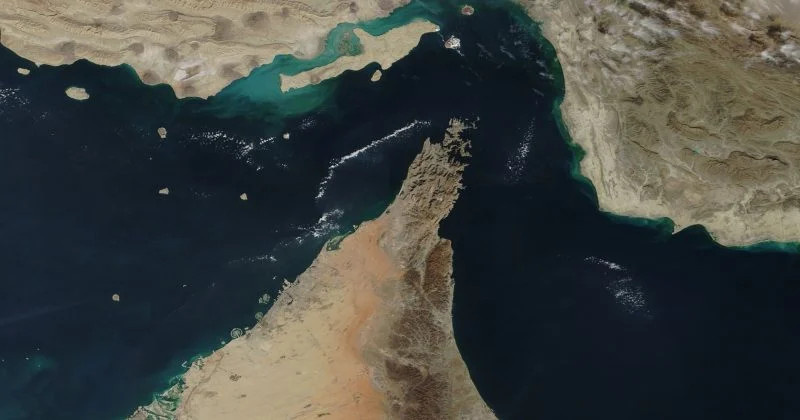
The US-Iran conflict has drastically affected maritime oil transits through the Strait of Hormuz, a critical chokepoint for global oil supplies. Six months into the conflict, traffic has plummeted by as much as 90%, with current estimates showing transit volumes between 2 and 9 million barrels per day, down from the usual 18 to 21 million. This corridor is vital, accounting for approximately 20% of the world’s oil and refined product supplies.
Middle Eastern oil exports have been halved, averaging around 9.5 million barrels per day, a stark contrast to figures from 2025. Iran has suffered the most, with its crude exports dropping nearly 90% to between 260,000 and 300,000 barrels per day due to a US naval blockade and threats to shipping.
Market Reading & Resources
Sponsor funding complete. Trade on.
Before the conflict escalated in February 2026, about 130 to 140 commercial vessels passed through the Strait daily. Now, that number has dwindled to single digits on certain days. The situation is compounded by Iranian attacks on shipping, the US blockade, and instability in alternative routes like the Bab el-Mandeb Strait.
Even during a ceasefire in mid-June, when transit volumes briefly increased, the relief was short-lived as hostilities resumed by July, leading to a return to wartime lows.
Brent crude prices have responded to these disruptions, rising from a pre-war range of $70 to $77 per barrel to approximately $85 to $94. Oil markets have adapted through pipeline rerouting, inventory drawdowns, and the use of “dark” shipping, where vessels disable tracking systems to navigate contested waters. Saudi Arabia has utilized its Red Sea export infrastructure, while the UAE has increased shipments through its Fujairah port facilities, bypassing the Strait entirely.
The impact on refined products is particularly acute. Unlike crude oil, which can be stockpiled, refined fuels like diesel and jet fuel rely on specific supply chains. Global stocks of these products are declining rapidly, leading to rising prices.
Sustained Brent prices above $85 per barrel pose challenges for central banks already grappling with persistent inflation in major economies. Higher energy costs directly influence consumer price indices, complicating the prospects for anticipated rate cuts.
For energy equities, the landscape is mixed. Producers outside the conflict zone, especially US shale operators and firms with significant operations in Latin America or West Africa, may benefit from higher prices and increased demand for non-Middle Eastern oil. Conversely, companies reliant on Middle Eastern crude for refining may face margin compression if feedstock costs continue to rise without relief on product prices.
Countries in South Asia and parts of Africa that import oil have seen their currencies weaken against the dollar, leading to increased use of dollar-denominated stablecoins as a store of value. Iran’s drastic reduction in oil exports translates to a significant revenue loss for the government, which heavily depends on oil sales for funding.