Impact of Interest Rate Hikes on Private Sector Liquidity

Austin, a commentator, has pointed out that increasing interest rates can result in greater government reinvestment in short-term debt, thereby directing more capital into the private sector. This observation is particularly relevant as discussions continue regarding the implications of Federal Reserve policies on the U.S. Treasury market. As of late August 2026, yields on short-term Treasury bills have been fluctuating around the mid-3% range, while longer-term yields have reached approximately mid-5%. These adjustments in rates indicate a potential shift in the economic landscape, influencing both government expenditures and private sector dynamics.
Recent market data suggests a slight decrease in the likelihood of the Federal Reserve pausing its rate decisions in the near future. Current market pricing indicates a 67% probability that the Fed will maintain a pause through September, a minor decline from the previous week when the likelihood was higher. The ongoing dialogue surrounding rate hikes and government debt strategies continues to shape market sentiment and expectations regarding future monetary policy.
Market Reading & Resources
Sponsor funding complete. Trade on.
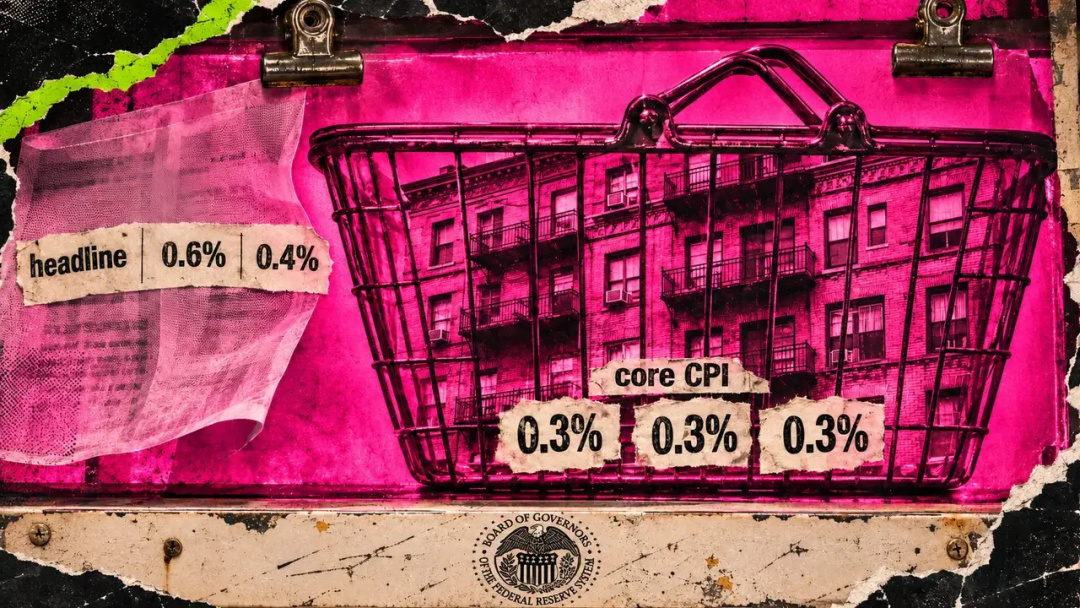
Investors and analysts will be closely watching for any statements from Federal Reserve officials that might signal changes in policy focus or strategy. Notably, Kevin Warsh's upcoming speech at Jackson Hole is anticipated to provide significant insights into the Fed's future direction. Additionally, key economic indicators such as unemployment rates and Consumer Price Index (CPI) data will play a crucial role in shaping market expectations for the Fed's policy decisions in the coming months. Fluctuations in these indicators could affect the likelihood of the Fed maintaining its current stance or opting for adjustments in its approach.